

MDA and MDMA are closely related synthetic psychoactive substances, they are not interchangeable. MDA is generally associated with stronger stimulant and psychedelic effects that can last longer, while MDMA is better known for producing feelings of empathy and emotional connection.
Since they’re chemically similar, MDA and MDMA are often confused with one another or sold under the same names. Understanding the difference between MDA vs. MDMA can help you recognize the risks associated with each drug.
MDA vs MDMA: Differences Between MDMA and MDA
When comparing MDA vs MDMA, the biggest differences come down to their effects, duration, and intensity.
Although MDA and MDMA have a similar chemical structure and belong to the phenethylamine family, they do not produce identical experiences.
| MDA | MDMA |
|---|---|
| Stronger stimulant and psychedelic properties | Stronger empathic and emotional effects |
| More likely to cause hallucination and visual distortions | Less likely to produce hallucination at typical doses |
| Usually lasts longer than MDMA | Shorter duration |
| Sometimes sold as ecstasy or mistaken for Molly | Often sold as ecstasy or Molly |
| May feel more physically stimulating | Often produces emotional warmth and connection |
People sometimes refer to both drugs as Molly, which adds to the confusion. In reality, products sold as Molly may contain MDMA, MDA, a mixture of MDMA and MDA, or entirely different substances. Without laboratory testing, there is no reliable way to know what a pill or powder actually contains.
What Are MDA and MDMA?
Both MDA and MDMA are synthetic drugs that alter communication between neurotransmitters in the brain. They belong to a class of psychoactive substances related to amphetamine, but each produces distinct effects.
MDMA is commonly associated with dance clubs, music festivals, and parties because it often increases feelings of closeness, empathy, and emotional openness. MDA is also used recreationally but is generally known for producing more intense stimulant and hallucinogenic effects. Looking more closely at MDA effects and risks also helps explain why the two substances should not be considered interchangeable.
Because the names are similar and both drugs are chemically related, many people assume they are identical. That is not the case. Understanding what’s the difference can help explain why one person may have a very different experience even if they believe they have taken the same drug.
Chemical Differences Between MDA and MDMA
The differences between MDMA and MDA begin with their chemical structure.
MDMA contains an additional methyl group that changes how it interacts with receptors in the brain. While this may sound like a small difference, it changes the balance of chemical activity and ultimately influences the experience.
Both substances increase serotonin in the brain while also affecting dopamine and norepinephrine. These neurotransmitters help regulate mood, motivation, energy, attention, and perception.
MDMA causes a particularly strong release of serotonin, which explains why many people describe intense emotional connection, empathy, and feelings of trust.
MDA also releases serotonin, but it has a greater tendency to stimulate dopamine activity. Because of this, MDA tends to produce stronger stimulant effects and more pronounced psychedelic experiences compared to MDMA.
Although both drugs act on many of the same systems, the balance between these neurotransmitters in the brain helps explain why users often describe different effects.

Effects of MDA Compared With MDMA
Many people searching for MDA compared with MDMA want to know how each drug actually feels.
While every person’s experience is different, there are consistent patterns that researchers and clinicians have observed.
What Are the Effects of MDMA?
The effects of MDMA often include:
- Feelings of euphoria
- Emotional warmth
- Increased empathy
- Greater sociability
- Increased energy
- Heightened sensory awareness
Although MDMA is often associated with emotional openness and connection, it is not without risks. In some cases, particularly at higher doses or when mixed with other substances, an MDMA overdose can occur and require immediate medical attention.
Repeated use may also increase the risk of MDMA addiction, especially when the drug becomes a regular way of coping or socializing.
What Are the Effects of MDA?
The effects of MDA tend to be more stimulating and more psychedelic.
People may experience:
- Increased energy
- Enhanced visual perception
- Hallucination
- Distorted sense of time
- Greater physical stimulation
- Emotional changes
The effects of MDA tend to last longer than those of MDMA, which means the experience can continue for several additional hours. Some people specifically seek this longer duration, but it may also increase the risk of adverse effects as the body remains under stress for a longer period.
Compared to MDMA, MDA is also more likely to produce hallucinogenic effects that resemble some of the effects of LSD, although the experiences are not identical.
MDA vs Molly
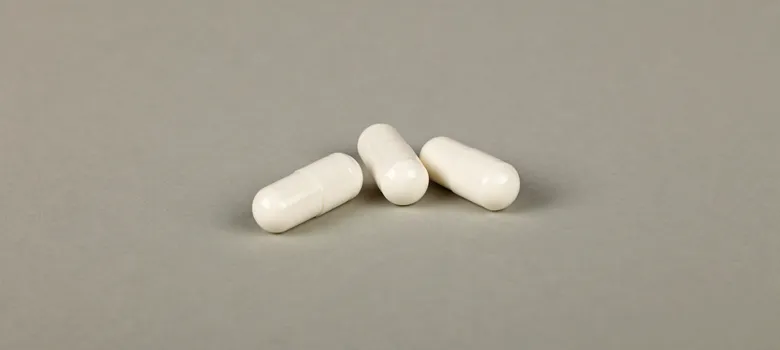
One of the most common sources of confusion when comparing MDA vs Molly is that Molly is not actually a separate drug. The name is most often used to describe MDMA in powder or capsule form, but that does not guarantee that the product contains only MDMA.
In reality, products sold as Molly are frequently misrepresented. Laboratory testing has found that some samples contain MDA, some contain MDMA, and others contain a mixture of both or entirely different psychoactive substances.
There is no reliable way to know what is in an unregulated product, so someone expecting the typical effects of MDMA could unknowingly take MDA instead. Since MDA tends to produce stronger stimulant and hallucinogenic effects, the experience may be more intense and last longer than expected. The uncertainty also makes it harder to predict dosage, side effects, and the risk of overdose.
Is MDA or MDMA More Dangerous?
One of the most common questions people ask after comparing MDA vs MDMA is whether one drug is safer than the other. The truth is that both substances can be dangerous, and neither should be considered low risk.
MDA is often described as the stronger stimulant. It is also more likely to produce psychedelic effects and hallucination. Because the experience can last longer than MDMA, the body remains under stress for a longer period. This can increase the risk of dehydration, overheating, anxiety, and cardiovascular complications.
MDMA may feel less intense from a visual perspective, but that does not make it harmless. It still affects serotonin in the brain and can lead to serious complications, especially when taken in large amounts or mixed with alcohol or other drugs.
There is no simple answer to MDMA vs MDA because the level of risk depends on factors such as the dose, what else the person has taken, their health, and whether the drug contains other unknown ingredients.
Can You Overdose on MDA or MDMA?
Yes. An overdose of MDA or MDMA is a medical emergency. Both drugs can cause dangerously high body temperature and organ failure. In some cases, people experience serotonin syndrome, a condition caused by excessive serotonin activity that can quickly become life threatening.
Other signs of an overdose may include:
- Chest pain
- Difficulty breathing
- Seizures
- Loss of consciousness
- Severe confusion or agitation
- Irregular heartbeat
An MDMA overdose may happen even when someone believes they are taking a typical dose, particularly if the drug contains other substances or is more potent than expected.
Products sold as ecstasy or Molly are often unregulated, so there is no reliable way to know their strength or contents. This uncertainty alone can significantly increase the risk.
If you suspect someone has overdosed, call emergency services immediately. Prompt medical care can save a life.
What Are the Long-Term Side Effects of MDA and MDMA?
The immediate effects are only part of the picture. Repeated use can have lasting consequences for both physical and mental health.
The long term side effects may include:
- Problems with memory and concentration
- Depression or anxiety
- Sleep disturbances
- Mood swings
- Reduced motivation
- Ongoing cognitive difficulties
Research suggests that repeated exposure to these psychoactive substances may affect the brain’s serotonin system over time. Since serotonin helps regulate mood, sleep, and emotional wellbeing, changes to this system can contribute to ongoing mental health concerns.
Some people also develop persistent anxiety or visual disturbances after frequent MDA use, particularly because MDA’s hallucinogenic effects tend to be stronger.
The effects of MDMA and MDA are not always limited to the brain. Regular use may also affect cardiovascular health, especially in people with underlying medical conditions.
Can MDA or MDMA Become Addictive?
Neither drug causes physical dependence in the same way as opioids or alcohol, but that does not mean addiction cannot develop.
Some people begin using these substances only at parties or social events. Over time, the pattern may change. They may start taking larger amounts, using them more often, or feeling unable to enjoy social situations without them.
This pattern can lead to MDMA abuse or problematic MDA use.
Warning signs include:
- Using more often than planned
- Spending significant time obtaining or recovering from the drug
- Continuing despite negative effects on work, school, or relationships
- Craving the substance
- Needing higher doses to achieve similar effects
If you are struggling with MDA or MDMA, you are not alone. Addiction can affect anyone, regardless of how or why the drug use began.
Start Treatment for MDMA and MDA Use at Lost Angels
Knowing when to ask for help is not always straightforward. What may begin as occasional MDA or MDMA use can gradually become more frequent, or you may find that the drug is starting to play a bigger role in your life than you ever intended.
If any of this feels familiar, you do not have to wait until things reach a crisis point before reaching out. Seeking help early can make recovery feel more manageable and may reduce the risk of more serious physical and emotional consequences.
At Lost Angels, we understand that every person’s experience with substance use is different. Whether you are looking for drug addiction treatment for yourself or for someone you care about, we are here to support you. Contact us today to learn more about your treatment options and take the first step toward lasting recovery.
Resources
Schifano, F., Vento, A., Scherbaum, N., & Guirguis, A. (2023). Stimulant and hallucinogenic novel psychoactive substances; an update. Expert Review of Clinical Pharmacology, 16(11), 1109–1123. https://doi.org/10.1080/17512433.2023.2279192
Straumann, I., Vizeli, P., Avedisian, I., Erne, L., Noorshams, D., Vukalovic, I., Eckert, A., Luethi, D., Rudin, D., & Liechti, M. E. (2025). Acute effects of MDMA, MDA, lysine-MDMA, and lysine-MDA in a randomized, double-blind, placebo-controlled, crossover trial in healthy participants. Neuropsychopharmacology, 51(2), 476–485. https://doi.org/10.1038/s41386-025-02248-3
Sevigny, E. L., Thyssen, S., Erowid, E., & Lea, R. (2024). Misrepresentation of MDMA in the United States, 1999–2023. Drug and Alcohol Dependence, 264, 112467. https://doi.org/10.1016/j.drugalcdep.2024.112467
Miazzi, R., Cestonaro, C., Righetto, S., Petroni, G., & Terranova, C. (2025). Psychological and neuropsychological effects of MDMA use during adolescence: a structured review. Frontiers in Psychiatry, 16. https://doi.org/10.3389/fpsyt.2025.1644599
Frequently Asked Questions
What is the difference between MDA and MDMA?
The main difference between MDA and MDMA is how they affect the brain and body. Both are synthetic psychoactive substances, but MDA typically produces stronger stimulant and psychedelic effects, while MDMA is more commonly associated with emotional openness and empathy.
Is MDA stronger than MDMA?
Many people consider MDA to be a stronger stimulant because it produces more intense physical stimulation and is more likely to cause hallucination. MDA also usually lasts longer than MDMA.
Is Molly MDA or MDMA?
Molly usually refers to MDMA, but products sold as Molly do not always contain pure MDMA. Some contain MDA, while others contain mixtures of different substances. Without laboratory testing, there is no way to confirm what a product contains.
Which lasts longer, MDA or MDMA?
MDA generally lasts longer than MDMA. This longer duration may increase the risk of dehydration, overheating, and other adverse effects because the body remains under stress for a greater amount of time.
Can you become addicted to MDA or MDMA?
Yes. Although these drugs do not usually cause severe physical withdrawal, repeated use can lead to psychological dependence. Some people develop patterns of compulsive use that interfere with daily life and relationships.
Which is more dangerous, MDA or MDMA?
Neither drug should be considered safe. MDA may produce stronger stimulant and hallucinogenic effects, while MDMA still carries serious risks, including overdose, dehydration, overheating, and mental health complications. The dangers increase when either substance is mixed with other drugs or alcohol or when the contents are unknown.