
Alcohol Addiction Symptoms: Signs of Alcohol Use Disorder and When to Get Help


Key Topics in Alcohol Rehab
This page explains the most common alcohol addiction symptoms and what alcohol use disorder can look like in everyday life. It outlines five key warning signs, along with physical, mental, and behavioral changes that may signal a growing problem with alcohol.
It also covers alcohol dependence and alcohol withdrawal, including when withdrawal symptoms can become dangerous, how clinicians diagnose alcohol use disorder, and what steps someone can take next if they decide to seek help.
Alcohol use is common, which can make it hard to spot when it has shifted into something more serious. Alcohol use disorder involves a pattern of alcohol use that starts to harm your health, mood, relationships, and decision-making, and it is sometimes called alcoholism. If you are wondering whether you drink too much, this guide will help you recognize the signs and symptoms without judgment and understand what to do next.
If you are in immediate danger, having thoughts of self-harm, or showing severe alcohol withdrawal symptoms such as seizures, hallucinations, or severe confusion, do not wait. Call 911 or go to the nearest emergency department.
-
AI OVERVIEW - ALCOHOL DETOX PROCESS
What Alcohol Addiction Looks Like
Alcohol addiction rarely looks like a single dramatic moment. More often, it is subtle changes: drinking to cope, drinking earlier, hiding the amount of alcohol, or needing a drink to feel normal. You might still function at work and at home, yet feel increasingly dependent on alcohol and less able to stop or control alcohol use.
A common early pattern is to binge drink on weekends, then notice cravings for alcohol during the week. For others, alcohol use becomes daily and automatic, even when you promised yourself you would reduce alcohol or stop drinking.

5 Key Signs and Symptoms of Alcohol Addiction
These are the five most consistent alcohol use disorder signs clinicians see. You do not need to match all of them for there to be a real problem with alcohol. The key is whether your alcohol use is becoming harder to manage and easier to justify.

Loss of control over drinking
You intend to have one or two drinks, but the night keeps going. You may repeatedly try to cut back, yet the same cycle returns. Over time, you may find yourself unable to stop drinking when you planned to, especially in social settings or after stress.

Cravings and preoccupation with alcohol
Craving alcohol can feel like a persistent mental pull. You might think about when you can drink alcohol next, plan your day around it, or feel restless until you can. This preoccupation is a classic sign of alcohol misuse, even if your drinking looks “normal” to others.

Tolerance and needing more to feel the same effect
Tolerance means you need more alcohol to get the same effect you used to get from less. You may notice you can drink more without feeling it, or you need heavier pours, stronger drinks, or more frequent drinking to relax. This shift is a common step toward developing alcohol use disorder.

Withdrawal symptoms when not drinking
When you stop or even delay drinking, your body may react. Withdrawal symptoms may include tremors, sweating, anxiety, nausea and vomiting, insomnia, and a racing heart. If you are experiencing withdrawal symptoms, it is a sign of physical dependence on alcohol and it can be unsafe to quit abruptly without medical guidance.

Continuing to drink despite clear harm
This is the line that most people recognize too late. You may notice alcohol interferes with your relationships, work, sleep, or mental health, yet you continue to drink. The consequences can build slowly, which makes it easy to rationalize continuing to use alcohol even when the cost is obvious.
Physical Symptoms of Alcohol Addiction
Physical symptoms are often the first visible clues, but they can be mistaken for stress or aging. Alcohol can affect nearly every system in the body, especially sleep, digestion, hormones, and the cardiovascular system. Recognize the physical signs early and you reduce the risk of alcohol related complications later.
In the short term, heavy drinking can cause dehydration, headaches, digestive upset, and poor sleep. You may notice shaking hands, sweating, or a “wired” feeling that does not match your situation. Alcohol use can cause changes in appetite, skin tone, and energy, and it can also contribute to irregular heartbeat, especially after a binge.
If you regularly have five or more drinks in one sitting, your blood alcohol concentration can rise quickly, increasing the risk of accidents, blackouts, and unsafe decisions.
Over time, chronic alcohol use can lead to persistent fatigue, weight changes, high blood pressure, and worsening sleep. Some people notice frequent bruising, stomach pain, or signs of liver strain. In more serious cases, heavy alcohol use increases the risk of inflammation of the pancreas and other medical complications.
If you are noticing ongoing physical symptoms and your alcohol consumption is increasing, it is a signal to take this seriously rather than pushing through.

Mental and Emotional Symptoms of Alcohol Addiction
Many people use alcohol because it feels like relief, at least at first. Then the relief fades, and alcohol misuse starts to amplify anxiety, low mood, irritability, and shame. Symptoms of alcohol problems often show up emotionally before they show up as obvious life consequences.
Mood Changes and Emotional Instability
Alcohol may temporarily numb stress, but alcohol can also rebound into heightened anxiety, agitation, or depression, especially as levels of alcohol drop after drinking. You might feel emotionally flat, reactive, or unable to regulate stress without alcohol. This is particularly common in people with alcohol use disorder who are caught in a cycle of drinking, crashing, and drinking again.

Cognitive Changes: Memory, Focus, and Judgement
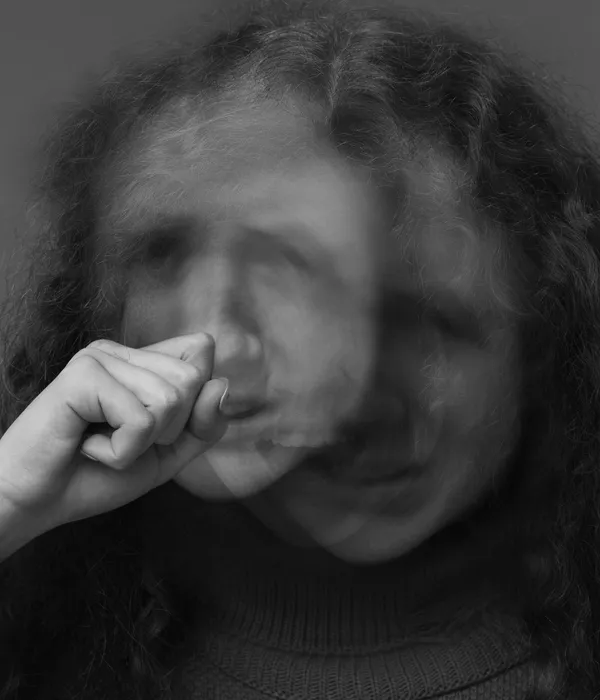
Alcohol use can disturb attention, sleep quality, and memory consolidation. You might notice brain fog, slower thinking, poor focus, or gaps in recall. Over time, alcohol may weaken judgement and impulse control, which increases the risk of risky decisions and relationship conflict.
Behavioral Signs of Alcoholism and Alcohol Abuse
Behavior is where the impact becomes most visible. Alcohol abuse is not defined by one type of drink or one lifestyle. It is defined by what alcohol is doing to your choices, routines, and priorities.
Changes in Routines, Responsibilities, and Relationships
A common sign is when alcohol drinking starts crowding out other parts of life. You skip workouts, arrive late, cancel plans, or struggle with mornings. People with alcohol use disorder often notice a gradual shift where responsibilities become harder to keep up with, and relationships become more strained.
You may also notice problematic alcohol use in the form of frequent binge episodes, drinking too much alcohol alone, or drinking earlier in the day.
Secretive Drinking and Loss of Trust
Hiding bottles, lying about quantities, or drinking in ways you do not want others to see are strong alcohol problem signs. These behaviors often show up when you know your drinking is out of balance, but you are not ready to confront it. Secrecy also creates isolation, which can make the addiction deeper.
Risky Behavior and Consequences
Which behavior is most likely to indicate alcohol abuse? A consistent pattern of alcohol related risk, such as driving after drinking, mixing alcohol with medications, getting into fights, unsafe sex, or workplace errors. Even if these events are rare, the risk of alcohol escalates when drinking becomes your default coping tool.
Alcohol Abuse vs Alcohol Dependence vs Alcohol Use Disorder
These terms get used interchangeably, but they are not identical. Alcohol abuse is often used to describe unhealthy alcohol use that causes harm or consequences. Alcohol dependence refers to physical and psychological adaptation where you become dependent on alcohol and feel withdrawal when you stop.
Alcohol use disorder is the clinical diagnosis that covers both behavior and impairment, from mild to severe alcohol use disorder. If you are struggling with alcohol addiction, this distinction matters because it guides the safest level of care and support.


Alcohol Dependence Symptoms and Withdrawal Warning Signs
Alcohol dependence symptoms can appear even when someone “looks fine” externally. If your body has adapted to alcohol, stopping suddenly can trigger alcohol withdrawal, and that can become dangerous without supervision.
Common Alcohol Withdrawal Symptoms
Alcohol withdrawal symptoms can begin within hours of the last drink and may include shakiness, sweating, anxiety, irritability, nausea and vomiting, headaches, insomnia, and elevated heart rate. Some people report intense cravings for alcohol and a sense of panic as the body attempts to regain balance.
If you notice that you need a drink to steady yourself or feel normal, that is a strong sign of physical dependence and a warning that you should not quit abruptly on your own.


When Withdrawal Can Become Dangerous
Withdrawal symptoms may progress to severe confusion, hallucinations, seizures, and delirium tremens. The risk of developing complications is higher if you have a long history of heavy drinking, previous withdrawal episodes, or co-occurring medical conditions. This is why medically supported detox can be necessary, even for people who are high-functioning.
When Alcohol Symptoms Are a Medical Emergency
Seek emergency care immediately if you or someone you care about has seizures, hallucinations, severe agitation, chest pain, fainting, severe confusion, blue lips, slow breathing, or cannot be awakened. If someone stops breathing, call emergency services right away.
If there are suicidal thoughts, self-harm risk, or severe mental health instability related to alcohol use, treat it as urgent. Waiting for it to “pass” is a gamble.

How Clinicians Diagnose Alcohol Use Disorder
Clinicians diagnose alcohol use disorder using criteria in the Diagnostic and Statistical Manual, also called the Statistical Manual of Mental Disorders, published by the American Psychiatric Association. The diagnosis of alcohol use disorder is based on the number of symptoms present over a period of time, not on one bad night.
A professional experienced in alcohol treatment may also use screening tools before recommending a level of care such as detox, inpatient, or outpatient support.

What to Do Next If You Recognize These Symptoms
If you recognize the signs of alcohol, the next step is not to panic. It is to get clear on safety and support. Start by being honest about frequency, amount of alcohol, and whether you have ever had withdrawal symptoms.
If you want to stop drinking, do it with a plan, especially if you suspect dependence. Seek help from a clinician or alcohol treatment for advice, and consider an assessment that includes mental health, medical risk, and the right level of structure. According to the National Institute on Alcohol Abuse and Alcoholism, understanding risks and patterns is a key part of recovering from alcohol use in a sustainable way. If cost is a concern, you may be able to use PPO benefits, and it is worth checking what your plan covers, Lost angels accepts most PPO insurance.
For immediate guidance in the U.S., Substance Abuse and Mental Health Services Administration, also known as the Abuse and Mental Health Services Administration, provides referral resources through its Mental Health Services Administration channels and helplines.
References
- National Institute on Alcohol Abuse and Alcoholism (NIAAA). Understanding Alcohol Use Disorder (AUD).
- Centers for Disease Control and Prevention (CDC). Alcohol Use and Your Health.
- MedlinePlus Medical Encyclopedia. Alcohol withdrawal.
- American Psychiatric Association. Diagnostic and Statistical Manual of Mental Disorders (DSM).
- Substance Abuse and Mental Health Services Administration (SAMHSA). SAMHSA’s National Helpline.
Licensed and registered: California Department of Health Care Services, License 191512AP (Exp. 06/30/2027).
LegitScript certified.
Address: 14257 Chandler Blvd, Sherman Oaks, CA 91401 (Los Angeles).
FAQs About Alcohol Addiction Symptoms
What are the first signs of alcoholism?
Early signs often include increasing tolerance, drinking to cope with stress, and difficulty stopping once you start. You may also notice secrecy, defensiveness, or more frequent binge patterns even if your life still looks stable.
Can you be addicted to alcohol without drinking every day?
Yes. Some people binge drink in intense cycles, while others drink smaller amounts daily. Addiction is about loss of control, compulsion, and harm, not just daily frequency.
How do I know if I need detox?
If you experience withdrawal symptoms when you try to stop, or if you have a history of severe withdrawal, detox may be necessary for safety. A medical assessment is the best way to decide, especially if symptoms may include tremors, hallucinations, or seizures.
What are the signs someone is abusing alcohol?
Signs someone is abusing alcohol include repeated hangovers, missed responsibilities, relationship conflict, risky decisions, and continued drinking despite consequences. You may also notice increasing secrecy and changes in mood, sleep, and reliability.
Which behavior is most likely to indicate alcohol abuse?
A consistent pattern of alcohol related harm is the clearest indicator. That can include driving after drinking, aggression, unsafe choices, workplace incidents, or repeated interpersonal conflicts tied to drinking.
How can I help a loved one who shows these signs?
Start with a calm, private conversation and specific examples rather than labels like “alcoholic.” Encourage them to seek help and offer to support an assessment. If safety is a concern, involve a professional and prioritize medical care over arguments.