
Sober Living in Los Angeles


Sober living in Los Angeles provides structured, substance-free housing that bridges rehab and independent living, combining accountability, peer support, and daily routines to strengthen recovery. Lost Angels offers sober living in Los Angeles directly, with clear house rules, a supportive sober community, and life skills training to help residents build stability, return to work or school, and stay focused on long-term recovery.
-
AI OVERVIEW
Luxury Sober Living in Los Angeles for Addiction Recovery
The transition from the safety of a medical setting back into the rush of daily life shouldn’t feel like being dropped in the middle of a freeway without a map. For many, that initial step back into “real life” is where the weight of recovery truly settles, and without the right support, the noise of the world can quickly become deafening.
Lost Angels offers a sanctuary for the in-between. We provide a refined, structured community in Los Angeles designed for those who aren’t just looking for a place to sleep, but a safe place to stand while the dust settles. Our sober living in Los Angeles is built on the belief that independence is reclaimed one steady step at a time, supported by a community that understands exactly how heavy those first few steps can be.
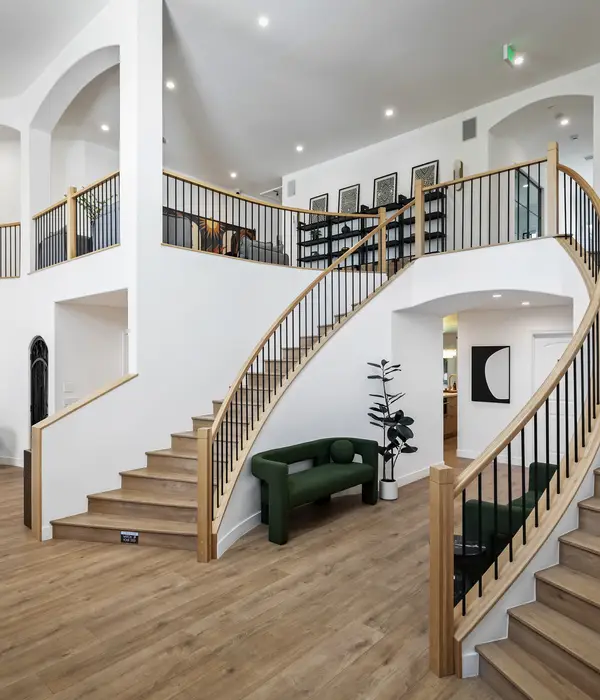

How Does Sober Living Support Long-term Recovery?
Sober living supports long-term recovery by providing a structured, substance-free environment where patients can practice essential life skills after completing residential treatment. This transitional phase helps bridge the gap between intensive medical care and independent living, offering accountability and peer support within a safe community.
At our sober living facilities in Los Angeles, residents solidify healthy routines as they prepare to transition back to work, school, and family life.
Sober Living Provides a Bridge From Residential Treatment
A sober living home offers a distinct level of support compared to the clinical intensity of a residential treatment program. While residential care involves 24/7 medical supervision, on-site therapy, and comprehensive medical services, sober living focuses on creating a supportive environment for practicing recovery in a real-world context. This step is designed for patients who no longer require constant medical oversight but benefit from a structured living arrangement.
The core of the sober living program is accountability, community, and routine. Residents live together in a sober house, adhere to clear house rules, and participate in regular drug and alcohol testing to maintain a safe and substance-free environment. This structure encourages personal responsibility and fosters peer support, as you navigate the recovery journey alongside others who share a commitment to long-term sobriety.
While residing in a sober living home, most individuals continue their recovery process by attending an outpatient program, such as an intensive outpatient program (IOP) or individual therapy sessions. This combination allows you to gradually increase your independence while maintaining a connection to clinical guidance and a supportive community.
How Does Sober Living in Los Angeles Support Continued Recovery?
Finding a living environment where you feel safe and understood is fundamental to sustained healing. Los Angeles offers a diverse array of sober living homes, from community-focused residences to luxury options with a premium amenity selection. Our team helps you identify a home that honors your identity and provides a true sense of belonging.
We can connect you with options such as LGBTQ+-affirming homes, which foster a community built on shared understanding and acceptance. Gender-specific residences are also available for men, women, and non-binary individuals, ensuring a comfortable and respectful setting. This personalized approach helps create the structured environment necessary for growth.
Our guidance extends to finding a suitable living space in Los Angeles tailored to specific life circumstances, such as those of working professionals or individuals in creative fields. The primary goal is to secure a placement where your personal experience is valued. This foundation of dignity and respect is a vital component of our aftercare and alumni support.
The transition to a sober living home involves practical considerations that significantly impact daily life and recovery. We assist patients in evaluating neighborhoods throughout the area, from West Los Angeles to our own community in Sherman Oaks, based on proximity to support meetings and a vibrant recovery network. This strategic planning helps establish a stable and empowering routine.
Reliable access to transportation is a key factor in maintaining independence and consistency in recovery. We help you consider options with convenient access to public transit, which simplifies attending outpatient treatment, therapy sessions, and support groups. This logistical support is crucial for patients continuing their medical care through our intensive outpatient program.
Re-engaging with professional and educational goals is a significant part of building a fulfilling, independent life. Our team provides guidance on accessing local resources for vocational training, continuing education, and employment opportunities. As part of our comprehensive aftercare planning, we ensure you have the support needed to pursue your personal and professional aspirations.
What Is Required to Join a Sober Living Home?
Preparing for Your Stay Involves Packing for Comfort and Safety
To help make your transition as smooth as possible, our team provides a detailed packing list before you arrive. We encourage you to bring comfortable clothing, personal toiletries, and any prescribed medications in their original, labeled containers. You may also bring personal items that offer comfort, such as a favorite book or photos, to help you feel at home.
To ensure a safe and substance-free environment for everyone, certain items are strictly prohibited. This includes alcohol, illicit drugs, weapons, and products containing alcohol, such as some mouthwashes or colognes. Certain over-the-counter medications that have a potential for misuse are also not permitted on the premises.
We understand that preparing for a move into a new environment can feel uncertain. Our admissions team is available to answer any questions you may have about specific items, from electronics to personal belongings.

Foundational Readiness for a Supportive Community
To maintain a safe and focused environment for everyone, we require confirmation that you have completed a medically supervised detox or a primary treatment program. This is typically verified with a discharge summary or other documentation from your previous provider. This step ensures that all residents are prepared for the level of independence and accountability expected in a sober living home.
The admission process includes a brief, confidential interview to ensure our sober living environment is a good mutual fit for your needs. We will also ask for a valid form of identification, emergency contact information, and a list of any current medications. This helps our team prepare for your arrival and support your health and safety.
Our admissions coordinators are here to guide you through each step, from gathering paperwork to understanding house guidelines. We strive to make the transition into our sober living facility as smooth as possible.

Structure, Milestones, and Length of Stay
The length of your stay is flexible and guided by your unique progress, needs, and recovery goals. While a typical stay in a sober living house ranges from three to six months, your personal timeline is based on when you feel prepared for greater independence. We collaborate with you to create a plan that supports your path to recovery without a rigid, one-size-fits-all schedule.
Our structured sober living homes help you work toward personal milestones, such as securing employment, resuming education, or rebuilding key relationships. The environment is built on house guidelines, peer accountability, and ongoing support to help you establish a durable recovery. This framework provides the stability needed to transition confidently to the next phase of your life.
Moreover, relapse prevention is integrated into the daily structure through peer support and accountability measures. We understand that recovery is not always a linear path. If a relapse occurs, our protocol prioritizes safety and compassionate reassessment, which may include connecting you to a higher level of care if medically appropriate.
Support for Dual Diagnosis and Medication
As a center that provides dual diagnosis care, we understand the importance of managing mental health alongside addiction recovery. Our sober living environments are designed to support patients with stable, co-occurring mental health conditions. We provide a safe space where you can continue to manage your mental wellness while reinforcing your sobriety.
Furthermore, we support residents who are following a prescribed medication plan, including medication-assisted treatment (MAT) or medications for mental health. Residents are expected to manage their own medications responsibly, and each home has clear policies for safe storage and administration.

How Do I Evaluate the Cost and Standards of a Sober Living Home?
Evaluating a sober living home involves understanding its fee structure, what services are included, and the standards it upholds to ensure a safe recovery environment. We provide clear information on our program costs and help you verify any potential insurance benefits for concurrent medical services.
The monthly cost for sober living in Los Angeles varies widely, reflecting differences in location, amenities, and the level of structure provided. While some basic shared homes may be more affordable, a luxury sober living environment offers enhanced comfort, privacy, and integrated support.
When budgeting, it is important to ask what is included in the primary fee and what costs are separate. Residents are often responsible for their own groceries, transportation, and personal expenses. There may also be an initial deposit, drug testing fees, or charges for optional services and amenities.
Our team is committed to financial transparency from your first call. We will walk you through all associated costs so you can plan accordingly without unexpected financial pressures.
Understanding how insurance works with sober living facilities in Los Angeles can be confusing, and we are here to provide clarity. Health insurance plans, including most PPO plans, do not typically cover the room and board component of a sober home. This portion of the cost is generally a private-pay responsibility.
However, if you are participating in clinical services while residing in a sober living facility, those services may be eligible for insurance coverage. For example, sessions for intensive outpatient programming, individual therapy like CBT or DBT, or medication management may be billed to your insurance. The specifics will depend on your individual plan and its benefits.
To help you navigate this process, our admissions coordinators can perform a complimentary benefits verification with your PPO plan. This helps determine what your policy may cover for concurrent outpatient treatment services.
In California, a sober living home is not licensed as a medical facility unless it directly provides clinical treatment. A quality recovery home distinguishes itself through a strong commitment to resident safety, ethical practices, and a structured living environment. This structure is essential for patients navigating early recovery from drug and alcohol abuse.
A reputable sober living facility can help by providing clear house rules, a resident bill of rights, and established grievance procedures. These policies ensure a predictable and respectful environment for people in recovery. The home should foster accountability while protecting resident privacy and well-being.
Licensed by the California Department of Health Care Services (DHCS) as a substance use disorder treatment provider (License or Registration No. 191512AP).
Accredited by The Joint Commission, indicating compliance with established standards for safety, quality, and clinical operations.
We maintain a verified Psychology Today profile, offering an additional third-party reference point for patients and families.
We have a Better Business Bureau (BBB) business profile, providing another external reference point for prospective patients and families.
We Can Help You Find Sober Living in Los Angeles
Whether you’re transitioning from treatment or simply seeking a stable, substance-free environment, our team of medical experts is ready to help you explore your options with compassion and care.
Finding the right place for sober living in Los Angeles can feel overwhelming, but we’re here to guide you every step of the way. From answering your questions to helping you find a home where you feel truly supported, we’re committed to making this process as gentle and personal as possible.
Reach out whenever you’re ready—we’re listening, we care, and we believe in your journey.

References
- Journal of Substance Abuse Treatment – Sober Living House Characteristics: A Multilevel Analyses of Factors Associated with Improved Outcomes
- Psychology Today – Lost Angels Treatment Center Profile
- Better Business Bureau – Lost Angels Profile
Frequently Asked Questions
How much does sober living cost in Los Angeles?
Sober living homes in Los Angeles typically range from $700 to $3,000 per month, with costs varying based on location, amenities, and structure. Additional expenses may include deposits, personal items, and fees for services like drug testing. Lost Angels can help you explore your options for affordable sober living.
How long do people usually stay in a Los Angeles sober living house?
The average stay in a Los Angeles sober living house is three to six months, though some individuals benefit from longer stays. The duration depends on personal recovery goals and progress. Lost Angels can provide guidance on determining the ideal length of stay for your needs.
Who is eligible or best suited for a Los Angeles sober living home?
Sober living homes in Los Angeles are best suited for adults who are abstinent from drugs and alcohol, medically stable, and committed to a sober lifestyle. These homes support individuals transitioning from treatment or seeking a supportive environment to rebuild their lives. Lost Angels can help assess your eligibility and suitability for sober living.
What's the difference between sober living and residential treatment in Los Angeles?
Residential treatment provides intensive clinical care and 24-hour supervision, while sober living offers a structured, supportive home environment with accountability and peer encouragement. Sober living is ideal for those ready to step down from daily clinical oversight but still value a recovery-focused setting. Lost Angels can assist in determining the right transition point for your recovery journey.
Can Los Angeles sober living homes accommodate dual diagnosis (mental health and substance use)?
Many Los Angeles sober living homes accommodate individuals with co-occurring mental health and substance use disorders, provided they are medically stable. Residents typically manage their own medications and attend outside mental health appointments. Lost Angels can help you find a suitable sober living home that meets your dual diagnosis needs.
What aftercare support is available after leaving a Los Angeles sober living home?
Aftercare support following sober living may include alumni groups, recovery meetings, peer mentorship, employment resources, and referrals to outpatient treatment programs. These resources help maintain long-term sobriety and community integration. Lost Angels can provide information on aftercare options tailored to your needs.