
Alcohol Rehab in Los Angeles


Key Topics in Alcohol Rehab
Lost Angels is a luxury rehab in Los Angeles offering alcohol addiction treatment through a full treatment program that includes medical detox on-site, inpatient residential treatment, outpatient options (IOP), and dual diagnosis care. If you are seeking recovery and do not know what level of care you need, start with a confidential admissions call and we will guide your next step with a clear treatment plan.
If you are in immediate danger, having thoughts of self-harm, or experiencing severe withdrawal symptoms such as seizures or hallucinations, this page is not an emergency service. Call 911 or go to the nearest emergency department.
-
AI OVERVIEW - ALCOHOL REHAB IN LOS ANGELES
How to Start Alcohol Rehab in Los Angeles
If you are struggling with addiction, you do not need to figure this out alone. Lost Angels is a treatment center in Los Angeles that makes the first step simple and discreet.

Contact admissions (business hours) or request a callback.

Confidential assessment focused on alcohol use, safety, and mental health.

Insurance verification (we accept most PPO plans, benefits must be verified) or private pay options.

A clear recommendation for detox, residential rehab, or outpatient treatment options.

Intake and admission, often quickly if availability allows.
What happens when you call admissions?
Admissions will ask the right questions to determine whether you may need medical support first, what level of care fits, and what timing looks like. Confidentiality is a top priority throughout recovery, from the first call to discharge planning.


Luxury Alcohol Rehab in Los Angeles at Lost Angels
Lost Angels is a luxury treatment center designed for privacy, comfort, and high-touch clinical care in the middle of Los Angeles. If you are comparing luxury rehab centers, focus on what affects outcomes: attention, structure, and clinical oversight.
- Low census with a high-touch model
- A typical 3:1 staff-to-client ratio for personalized care
- Private rooms available
- Chef-prepared dining, pool, fitness and wellness amenities, and a premium environment built to support mind and body stability
- A supportive environment that helps you focus on sobriety without constant distractions
Our Luxury Rehab Facility in Los Angeles
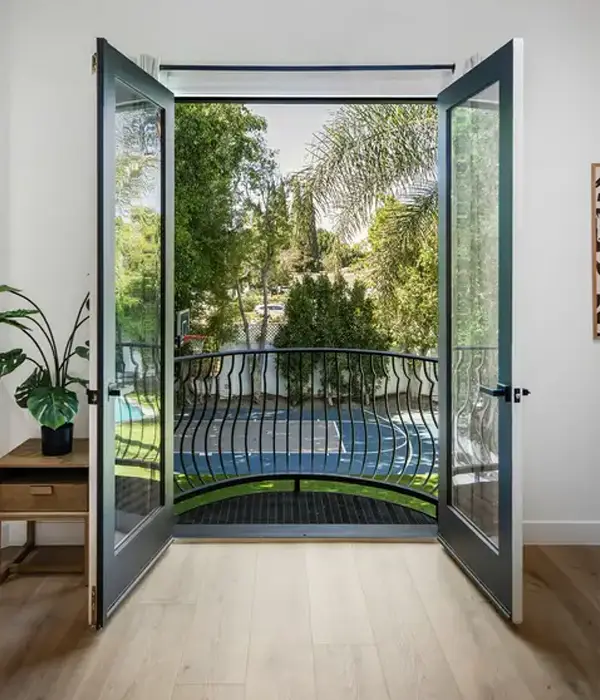
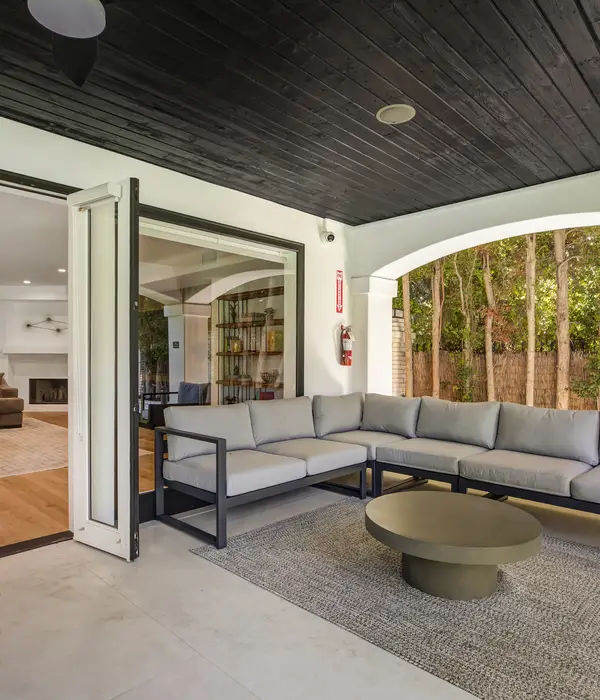
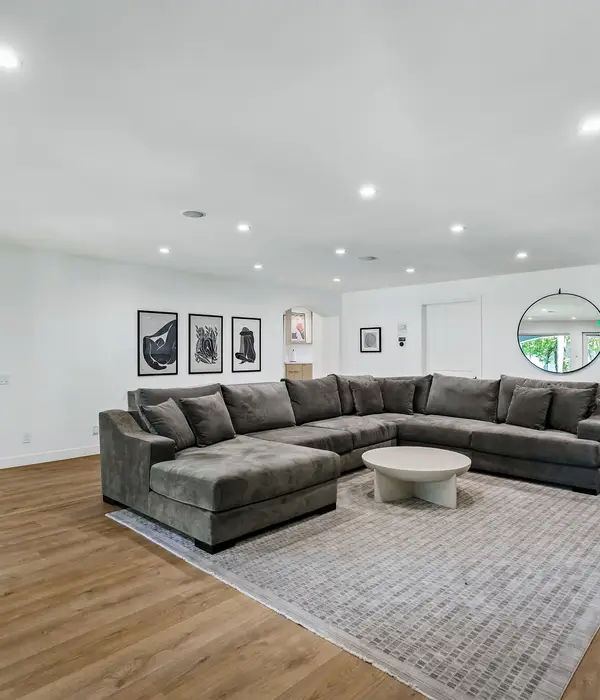
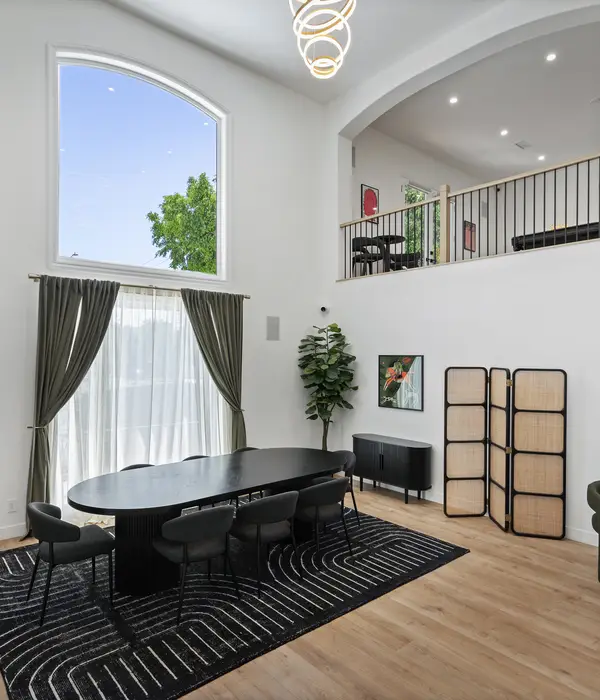
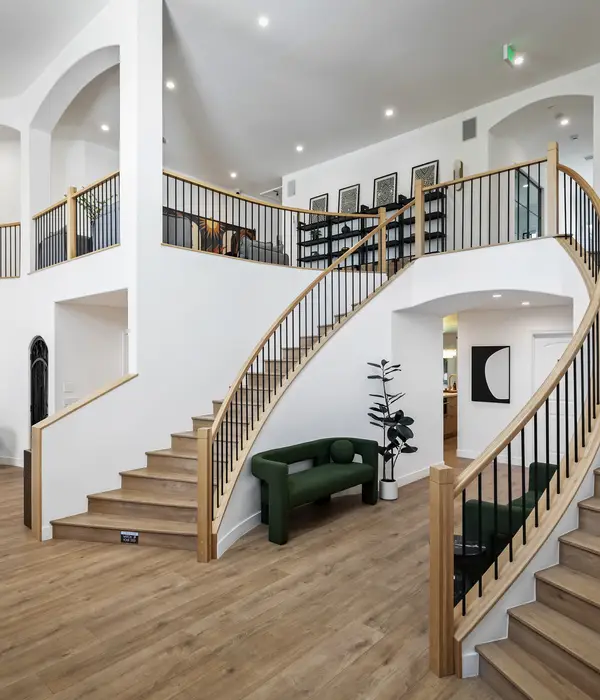
Lost Angels is a luxury rehab facility in Los Angeles designed to support comfort and focus, with premium amenities and private spaces that help you step away from day-to-day triggers.
Inpatient and Outpatient Alcohol Addiction Treatment in Los Angeles
Alcohol addiction is often part of a wider pattern of substance use or mental health stress. The right level of care depends on relapse history, withdrawal risk, and whether you can stay stable outside a structured setting.
Inpatient rehab provides structured support and clinical oversight. It may be the right fit if you:
- have severe addiction issues or repeated relapse
- have high withdrawal risk or a history of dangerous symptoms
- need distance from triggers to stabilize
- have a co-occurring substance use disorder or mental health symptoms
- want a private, supportive environment for recovery from addiction
Residential treatment is where the foundation is built: stabilization, therapy, relapse prevention, and a plan for long-term recovery.
Outpatient treatment can be effective when you are medically stable and able to maintain a consistent schedule. Lost Angels offers an Intensive Outpatient Program (IOP) for those who need more structure than standard outpatient care.
Outpatient support can also be a step-down after residential treatment. This helps you keep building skills and accountability as you transition back into daily life.

Dual Diagnosis: Alcohol Rehab With Mental Health Support
Many people seeking alcohol rehab are also dealing with anxiety, depression, trauma symptoms, or other psychiatric concerns. Treating mental health and substance use separately is one of the reasons people relapse.
At Lost Angels, dual diagnosis care starts with a clinical evaluation and a coordinated plan that can include addiction therapy, psychiatric support, and practical coping strategies. The goal is effective treatment that supports stability in daily life.
Alcohol and Anxiety or Depression
Alcohol can temporarily numb symptoms but often worsens anxiety and mood over time, especially through sleep disruption and withdrawal cycles. Treating both together supports sustainable recovery and lasting recovery.

Patient Reviews
Read recent Google reviews from people who chose Lost Angels for treatment in Los Angeles.
 Posted on Google
 Dallas Cohrs
Trustindex verifies that the original source of the review is Google.
Good experience. Very comfortable and extremely accommodating to individual needs. Staff is friendly and helpful. Food is delicious. Small client-base allows for greater personalization of care.Posted on Google Renee JacksonMy experience with Lost Angels Treatment Center has been nothing short of meaningful. The staff goes beyond just doing their job, they genuinely invest in your progress. The support system and positive environment make all the difference. I’m deeply appreciative.Posted on Google
 Robert AmundsonLost Angels Treatment Center provides modern & holistic healing for those struggling with addiction & mental health in a safe and comfortable environment. I would recommend them to anyone looking to get help and take their life back!Posted on Google
 Anthony MendozaLost Angels Treatment Center is truly an incredible program. The staff genuinely cares, the support is real, and the environment makes a huge difference in recovery. Grateful for everything they do.Posted on Google
 Joe SmithI loved how much the staff cares for each client individuallyPosted on Google
 Anah LuvI have been to many centers but this one really changed my life. The therapy was good. And staff is really attentive food is a plus.Posted on Google
 Jenny not yoursChoosing this facility was by far the best decision for my brother in laws recovery. The facility itself is well maintained, clean and beautiful providing a comfortable environment that truly made him feel like it was a home away from home. He is now present in all he does and is happy with the outcome and we can not thank the staff/family enough for genuinely supporting us in the process from start to end and after care. We appreciate you God bless.Posted on Google
 brenna shaw100% RECOMMEND Lost Angels Treatment Center honestly saved my life. I don’t say that lightly. I came in broken, scared, and tired of living the way I was living, and they met me with real care, real love, and real support. The medical detox was not only safe and professional, but it was also extremely comfortable and luxurious. It didn’t feel cold or clinical. It felt peaceful, clean, and healing, which made such a huge difference during one of the hardest moments of my life. The counseling changed me. They didn’t just focus on my drugs and alcohol, they helped me understand myself, my pain, my patterns, and how to actually live differently. I felt heard. I felt respected. I felt like I mattered. For the first time in a long time, I had hope. What I loved most is that they truly care about the person, not just the addiction. The staff treated me with kindness, patience, and dignity every single day. It felt like a safe place to finally breathe and start over. If you’re looking for a place that combines real recovery, real healing, and a beautiful, comfortable environment, Lost Angels is it. They didn’t just help me get sober. They helped me start a new life. Personally want to thank Matt And Frank for becoming part of my recoveryPosted on Google
 Jay DankMy brother went here and it completely changed his life. Like full 180 he not even close to the same person and I can honestly say ive never been more proud of him, especially since he was someone I've always looked up to.Posted on Google
 Carly TuckerComfortable, Safe, and Empowering Recovery can be intimidating, but this facility creates an atmosphere of comfort and trust. My boyfriend felt completely at ease here, supported emotionally and practically every step of the way. The staff’s compassion and consistency made a huge impact on his experience in both detox and rehab. This is a place where people are truly set up for success. 10/10 I highly recommend ❤️🩹

On-Site Alcohol Detox and Withdrawal Safety
Detox is a medical stage of care, not the whole solution. Detox and recovery work best when detox is followed by rehab treatment that addresses the drivers behind alcohol use.
Detox may be recommended if:
- you have experienced withdrawal symptoms before
- you drink heavily or daily and feel unwell when you stop
- you have a history of severe symptoms
- you have medical or mental health concerns alongside alcohol use
If you are experiencing severe withdrawal symptoms such as seizures, hallucinations, chest pain, confusion, or fainting, seek emergency care immediately. Lost Angels offers on-site detox, but we keep the detailed detox content on the dedicated page to keep things clear and avoid confusion.
What Treatment Looks Like at Lost Angels
At Lost Angels, your recovery journey is built around:
- Structure and routine that supports sobriety
- Personalized treatment plans tailored to your clinical needs
- Relapse prevention tools for cravings, triggers, sleep, stress, and relationships
- Aftercare planning so discharge is not a cliff edge
If immediate admission is available, admissions can move quickly. If there is no availability at this location, the team can discuss options across sister luxury facilities so you are not left stuck.

Evidence-Based Therapies Used in Alcohol Addiction Treatment
Below are several evidence-based therapies commonly used in addiction treatment programs and integrated into personalized care plans.
CBT helps you identify the thoughts, beliefs, and situations that tend to lead to drinking. You learn to spot trigger patterns early, challenge automatic thinking, and practice healthier ways to respond under pressure. Over time, CBT can reduce impulsive decisions by giving you practical tools you can use in real-life high-risk moments.
DBT is especially useful when alcohol use is tied to intense emotions, stress, or relationship conflict. It focuses on emotional regulation, distress tolerance, and skills to get through cravings without acting on them. DBT can also help reduce the “all or nothing” cycles that often show up during alcohol addiction and early sobriety.
Motivational Interviewing is a collaborative approach that helps you clarify your reasons for change and strengthen commitment when motivation fluctuates. It focuses on resolving ambivalence and building momentum through small, consistent decisions. This approach is particularly helpful if you have tried to stop before but struggled with follow-through.
Group therapy reduces isolation and builds accountability through structured support and shared experience. Family therapy focuses on communication, boundaries, and rebuilding trust when it is appropriate and safe to involve loved ones. For many people, improving the home environment is a key part of relapse prevention and lasting recovery.
Meet the Clinical Team
Lost Angels is led by a team of medical professionals and licensed clinicians.









Paying for Luxury Alcohol Rehab and PPO Insurance
Cost and insurance uncertainty stops people from taking the first step. Lost Angels accepts most PPO plans, but benefits must be verified.
Admissions can:
- verify insurance benefits
- explain coverage and likely costs where possible
- discuss treatment options based on your needs before admission

Aftercare and Sober Living Support
Recovery does not end when a program ends. Aftercare reduces relapse risk and supports long-term recovery.
Aftercare may include:
- outpatient follow-up
- relapse prevention planning
- sober living options when appropriate
- ongoing peer support throughout recovery
Why Choose Lost Angels for Alcohol Treatment in Los Angeles
Choosing where to get help is personal. Lost Angels offers discreet, high-touch alcohol treatment in Los Angeles with medical oversight and integrated mental health support, delivered in a private, residence-style setting designed for comfort, focus, and confidentiality.
On-site medical detox, inpatient residential treatment, and structured outpatient support (IOP), so your treatment plan can evolve as you stabilise.
A high staff-to-client ratio, typically around 3:1, so care stays responsive day to day, not delayed or diluted.
Coordinated treatment for alcohol use and mental health, with psychiatric care available when needed.
Private rooms and premium amenities, including spaces designed for rest and reset, plus wellness features such as a pool, fitness areas, and an in-house cinema, all built to support routine and recovery.
A confidential assessment, insurance verification, and a straightforward recommendation on the safest next step.
Registered with the California Department of Health Care Services (License 191512AP, Exp. 06/30/2027) and LegitScript certified.
If availability is limited, admissions can discuss appropriate alternatives across sister luxury facilities.
Start Your Luxury Alcohol Recovery
If you are ready to stop guessing and get a clear plan, start with a confidential conversation. Our admissions team will help you understand whether detox, inpatient treatment, or outpatient support is the right next step, and what your options look like based on availability and insurance.
You do not need to have the perfect words. Just reach out.
Licensed and registered: California Department of Health Care Services, License 191512AP (Exp. 06/30/2027).
LegitScript certified.
Address: 14257 Chandler Blvd, Sherman Oaks, CA 91401 (Los Angeles).
FAQs About Alcohol Rehab in Los Angeles
Do I need alcohol detox before rehab?
Not always. It depends on withdrawal risk and medical history. A confidential assessment can clarify what is safest.
What is the difference between detox and rehab?
Detox focuses on withdrawal safety. Rehab focuses on therapy, relapse prevention, and recovery from addiction.
How long does alcohol rehab last?
Length is customized based on needs and progress. Admissions can discuss likely timelines after assessment.
Inpatient vs outpatient treatment, which is right for me?
Inpatient may be best for severe addiction issues or unstable support. Outpatient treatment can fit if you are medically stable and able to follow a consistent schedule.
Do you offer IOP?
Yes, we offer outpatient options when clinically appropriate.
Can you treat mental health and substance use together?
Yes. Dual diagnosis care addresses mental health and substance use disorder together.
Does PPO insurance cover alcohol rehab?
Coverage varies by plan. Verification is the fastest way to confirm benefits.
How fast can someone be admitted?
If availability allows and clinical review supports it, admission can be arranged quickly.