
Mental Health Residential Treatment in Los Angeles


Comprehensive Stabilization: Our program focuses on moving patients from acute distress to a state of functional baseline through 24/7 medical oversight.
Dual Diagnosis Expertise: We specialize in the concurrent treatment of substance use disorders and psychiatric conditions, recognizing that one cannot be successfully treated in isolation from the other.
Intimate Care Environment: With a maximum capacity of six patients, our Sherman Oaks facility ensures a high staff-to-patient ratio, allowing for daily individualized therapeutic contact.
Integrated Modalities: Treatment plans incorporate advanced psychotherapies like EMDR and Brainspotting alongside traditional Cognitive Behavioral Therapy (CBT).
-
AI OVERVIEW
For those navigating the complexities of mental health challenges, finding a safe and supportive environment is a medical necessity. The journey toward psychological stability can feel overwhelming, but taking the step toward structured, residential care marks the definitive transition from crisis management to long-term healing.
Lost Angels offers a compassionate and individualized approach to mental health residential treatment in Los Angeles. By focusing on the intersection of evidence-based clinical rigor and holistic wellness, we provide a foundation for sustainable well-being that extends far beyond the duration of the program.
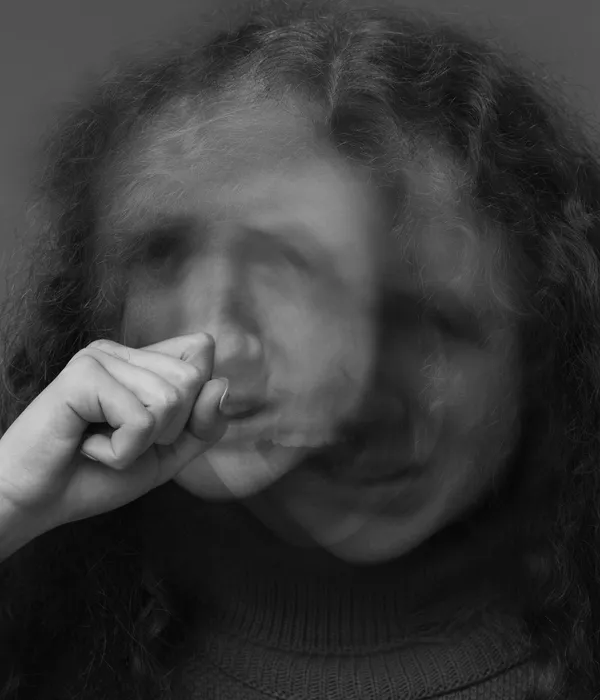
What Does Residential Mental Health Treatment Involve?
Residential mental health treatment involves living on-site at our Los Angeles center to receive structured, 24/7 medical support in a calm, non-hospital environment.
This immersive level of care allows you to step away from daily stressors (i.e., family dynamics, professional pressures, and environmental triggers) to focus entirely on your wellness.

What Is the Difference Between Residential and Inpatient Hospitalization?
While the terms are often used interchangeably in casual conversation, residential and inpatient hospital programs serve distinct clinical purposes. Inpatient care is typically short-term (3 to 7 days), occurs within a locked hospital ward, and is strictly designed for acute psychiatric stabilization. It is the appropriate choice for individuals in immediate crisis who may pose an imminent danger to themselves or others.
Residential treatment, by contrast, offers a longer-term (30 to 90 days), less restrictive setting. It is designed for patients who have achieved medical stability but still require a high level of medical support to prevent regression. Our program provides the essential bridge between the crisis-oriented nature of a hospital and the total independence of outpatient life.
How Is a Sanctuary for Psychological Healing Designed?
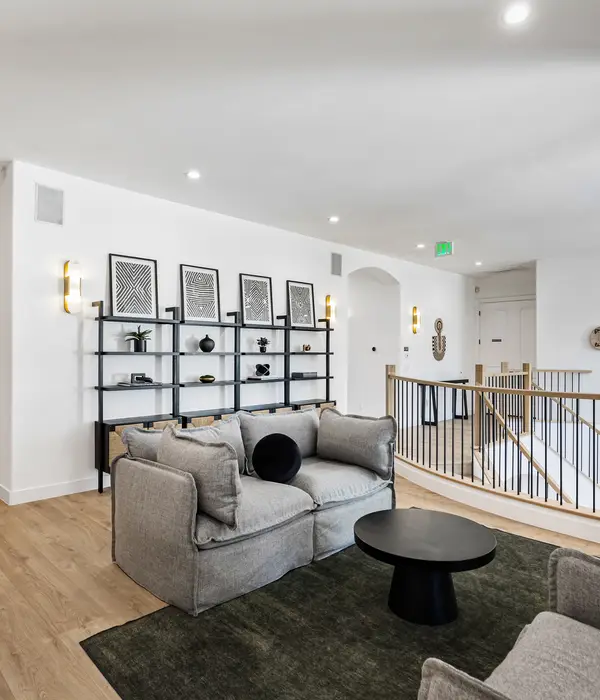
Our Sherman Oaks facility is intentionally designed to feel like a private home. This is not just an aesthetic choice; it is a clinical one.
High-stress, sterile hospital environments can sometimes exacerbate symptoms of anxiety and PTSD. By providing private ensuite rooms, chef-prepared meals, and a serene, domestic atmosphere, we lower the “baseline” anxiety of our patients, making them more receptive to intensive therapeutic work.

How Does a Structured Daily Routine Support Recovery?
A structured daily routine is a tool for neurological regulation. Many mental health conditions, particularly Bipolar Disorder and Generalized Anxiety, are characterized by “dysregulated” biological rhythms. By providing predictable environmental cues, a structured schedule anchors the nervous system, reducing the chronic stress response and allowing the brain to shift its energy from survival-based vigilance toward active healing and therapeutic growth.

How Do Circadian Rhythms Impact Mental Wellness?
Our program emphasizes a consistent daily rhythm to help restore the body’s natural circadian cycles. Stable sleep-wake patterns and regular nutritional intake have a direct impact on cortisol regulation and neurotransmitter balance.
By establishing a steady, supportive rhythm, patients can regain a sense of internal control that often feels lost during a mental health crisis.

The Integration of Therapy and Holistic Practice
Each day at Lost Angels is a blend of “top-down” and “bottom-up” interventions.
Top-Down (Cognitive): Evidence-based talk therapies like cognitive behavioral therapies (CBT) help patients reframe distorted thought patterns.
Bottom-Up (Somatic): Practices like yoga, mindfulness, and fitness address the physical manifestations of trauma and anxiety stored within the body’s nervous system.
What Mental Health and Substance Use Disorders Do We Address?
Our center provides residential treatment for a range of psychiatric and substance use disorders, with specialized expertise in dual diagnosis. We recognize that mental health does not exist in a vacuum, and our integrated approach ensures that every facet of a patient’s history is addressed.

1. Depressive and Mood Disorders
We treat Major Depressive Disorder (MDD), Persistent Depressive Disorder, and Bipolar I & II. For many, depression is not just “sadness” but a profound functional impairment. Our approach focuses on both the pharmacological stabilization of mood and the behavioral activation required to reconnect with life.

2. Anxiety and Panic Disorders
Generalized Anxiety Disorder (GAD) and Panic Disorder can keep the body in a state of constant “Fight or Flight.” Our residential setting provides a safe “container” to practice exposure and response prevention, as well as distress tolerance skills.

3. Trauma and PTSD
Trauma-related disorders require a specialized, trauma-informed lens. We utilize Eye Movement Desensitization and Reprocessing (EMDR) and Brainspotting to help patients process distressing memories without being re-traumatized by the “telling” of the story.

4. Dual Diagnosis: The Intersection of Addiction and Mental Health
A substance use disorder frequently co-occurs with psychiatric conditions. Many individuals turn to substance abuse as a form of “chemical coping,” using alcohol or drugs to self-medicate the symptoms of undiagnosed anxiety or trauma.
Treating only the addiction while ignoring the underlying depression almost inevitably leads to relapse. Conversely, treating the depression while the patient is still actively using substances is clinically impossible, as the substances interfere with the brain’s ability to stabilize. Our dual diagnosis program treats both simultaneously, providing a unified path toward sobriety and sanity.
What Are the Evidence-Based Clinical Modalities at Lost Angels?
To reach the depth required for long-term healing, we utilize a diverse toolkit of medical modalities. Our therapists are trained in advanced techniques that address the cognitive, emotional, and neurological components of mental health.
CBT is the gold standard for many psychiatric conditions. It focuses on the link between thoughts, feelings, and behaviors. By identifying “cognitive distortions,” such as catastrophic thinking or “all-or-nothing” reasoning, patients can change their emotional response to external events.
Originally developed for Borderline Personality Disorder, DBT is now widely used for anyone struggling with intense emotional dysregulation. We focus on four key modules:
Mindfulness: Being present in the current moment without judgment.
Distress Tolerance: How to get through a crisis without making it worse.
Emotion Regulation: Understanding and changing the intensity of feelings.
Interpersonal Effectiveness: Building healthy boundaries and communicating needs.
EMDR is a revolutionary therapy for trauma. It uses bilateral stimulation (such as eye movements or taps) to help the brain “reprocess” traumatic files that have been incorrectly stored. This reduces the emotional “charge” of the memory, allowing the patient to move forward.
Motivational Interviewing is a cornerstone of our substance use and mental health treatment, specifically designed to resolve ambivalence and strengthen a patient’s own motivation for change. At our mental health treatment program, MI serves as a collaborative, person-centered form of compassionate care that empowers individuals to identify their own treatment goals.
Unlike traditional inpatient residential models that may use confrontational methods, MI focuses on “meeting the patient where they are,” which is essential for addiction and co-occurring mental health recovery.
Psychiatric Care and Comprehensive Medication Management
As a physician-operated program, Lost Angels places a high premium on the intersection of medicine and therapy. We believe that while medication is rarely a “cure” on its own, it often helps a patient reach a place where therapy becomes effective.

The Psychiatric Evaluation
Every patient undergoes a comprehensive psychiatric evaluation upon admission. This is not a ten-minute check-in; it is a deep dive into the patient’s medical history, genetic predispositions, and past responses to medication.
We look for underlying physiological factors such as thyroid issues or nutritional deficiencies that may be mimicking or exacerbating psychiatric symptoms.

Medication-Assisted Treatment (MAT)
In the context of dual diagnosis, we may utilize MAT to support the detox and early recovery phases.
This involves the use of FDA-approved medications (such as Buprenorphine or Naltrexone) to manage cravings and stabilize the brain’s reward system, allowing the patient to focus on their psychological work.
Why Is Medically Supervised Detox the Foundation of Safety?
For patients entering treatment with an active substance use disorder, safety is our first priority. Withdrawing from certain substances—most notably alcohol and benzodiazepines—can be life-threatening if managed incorrectly.

24/7 Clinical Monitoring
During the detox phase, patients receive around-the-clock monitoring from our nursing and medical staff. We track vital signs, manage symptoms of withdrawal with supportive medications, and provide the emotional reassurance necessary to get through the first 72 to 96 hours of sobriety.

Stabilization for Therapeutic Engagement
The goal of detox is medical stabilization. Once the “fog” of substance use has cleared and the body is no longer in a state of acute withdrawal, the patient is finally capable of engaging in the intensive individual and group therapy that defines the residential experience.
How Should You Evaluate the Investment, Cost, and Quality of Care?
The decision to enter residential treatment is a significant financial and emotional investment. We believe in total transparency regarding the cost and the metrics used to measure program quality.
The cost of residential treatment in Los Angeles is influenced by the intensity of medical services and the ratio of staff to patients. At Lost Angels, our pricing reflects:
High Staff-to-Patient Ratio: With only six beds, our patients receive more face-to-face time with licensed physicians than in larger centers.
24/7 Medical Oversight: The presence of nursing and psychiatric staff around the clock ensures a level of safety that justifies the investment.
Concierge Services: Chef-prepared meals and private ensuite accommodations allow for a focus on healing without the distractions of a communal dormitory setting.
We accept most major PPO insurance plans. Our admissions team handles the often-confusing process of benefits verification and prior authorization. We act as your advocate with the insurance company to ensure you receive the maximum coverage allowed by your policy.
For those who choose not to use insurance, we provide clear private pay options with no hidden fees.
Licensing is the legal minimum required to operate; accreditation is a voluntary choice to meet higher national standards. Lost Angels is accredited by The Joint Commission. This means our clinical protocols, safety measures, and facility maintenance are regularly audited by an independent body to ensure we are delivering the highest level of care possible.
In addition to the Joint Commission “Gold Seal,” Lost Angels is an operated program that is also licensed by the California Department of Health Care Services (DHCS License #191512AP). This ensures that our residential facilities meet the most stringent legal requirements for mental health care and substance abuse treatment in the state.
Beyond our state program that is also licensed, Lost Angels maintains a verified Psychology Today profile and a Better Business Bureau (BBB) business profile. These programs in existence provide additional third-party reference points, offering transparency for those seeking the best treatment for severe mental health challenges and drug and alcohol addiction.

What Does Life After Residential Treatment Look Like?
Healing does not end when you leave our Sherman Oaks facility. In fact, the most critical work often happens during the transition back to daily life.
That’s why we provide a robust aftercare infrastructure to ensure the progress made in residential treatment is sustained.
What Is the Step-Down Model for Transitioning to Independent Living?
Transitioning from 24/7 residential care directly back to total independence can often be a jarring experience that increases the risk of clinical regression. To mitigate this, a step-down model provides a structured continuum of care, typically involving an Intensive Outpatient Program (IOP) and Sober Living.
In an IOP, patients participate in nine to fifteen hours of therapy per week, allowing them to practice recovery skills in real-time while living at home or in a transitional environment. This is frequently paired with Sober Living, which offers a substance-free residence that fosters peer accountability and maintains a stable daily rhythm.
Together, these services provide the necessary scaffolding for patients as they navigate the complexities of returning to professional and personal responsibilities without the constant supervision of a residential facility.


Relapse Prevention and Aftercare Planning
Aftercare planning begins the week you arrive at Lost Angels. We identify your “High-Risk Situations”—people, places, or emotional states that may trigger a return to old patterns.
We help you build a “Relapse Prevention Plan” that includes specific coping strategies and a list of support contacts to use when life becomes difficult.
Why Is Family Involvement Critical to Healing the System?
Mental health challenges rarely affect just one person; they affect the entire family system. Therefore, we facilitate family therapy sessions (either in-person or via secure video) to help loved ones understand the nature of the condition, learn healthy communication styles, and establish boundaries that support the recovery of the entire family.

How Should You Prepare for Your Stay at Lost Angels?
Taking the step toward residential treatment requires logistical preparation and an understanding of your rights as a patient.

What to Pack for Residential Care
We recommend packing for comfort. Bring casual clothing, athletic wear for yoga and fitness, and any current medications in their original pharmacy bottles.
We provide all essential hygiene items, but you are welcome to bring your own as long as they are alcohol-free.
Absolute Discretion and HIPAA
Your privacy is our top priority. As a private, six-bed facility, we offer a level of anonymity that larger centers cannot match.
All your information is protected under the Health Insurance Portability and Accountability Act (HIPAA). We will not share your information with family members, employers, or outside providers without your explicit, written consent.

We Can Help You Find Hope at Lost Angels
You’ve already taken a brave step by learning more about mental health residential treatment in Los Angeles. At Lost Angels, we believe that everyone deserves a safe, compassionate space to rediscover their autonomy. You don’t have to face this alone, and you don’t have to have all the answers today.
Our team is here to walk beside you with kindness and clinical expertise. Whether you’re seeking support for Major Depression, severe Anxiety, PTSD, or a complex co-occurring disorder, we offer a path forward defined by dignity and scientifically grounded care. When you’re ready to begin, we’re ready to help.
References
- Sleep Science – Interactions Between Sleep, Stress, and Metabolism: From Physiological to Pathological Conditions
- American Family Physician – Common Questions About Cognitive Behavior Therapy for Psychiatric Disorders
- Journal of Experimental Psychopathology – How Does EMDR Work?
- Psychology Today – Lost Angels Treatment Center Profile
- Better Business Bureau – Lost Angels Profile
Frequently Asked Questions
How do I know if I need residential care vs. outpatient therapy?
If your symptoms make it difficult to maintain a job, stay in school, or keep your relationships stable, outpatient therapy may not be providing enough structure. If you find yourself in a cycle of “crisis” followed by temporary relief, the 24/7 immersion of residential care can provide the “hard reset” needed for long-term stabilization.
Can I use my phone and laptop while in treatment?
We believe in a “digital detox” for the first phase of treatment to help you focus on your internal work. However, as you stabilize and prepare for discharge, we gradually reintegrate supervised access to electronics so you can manage your personal and professional obligations.
How long does the program last?
While we offer 30-day programs, research indicates that 60 to 90 days of residential care results in significantly better long-term outcomes. The length of stay is always a collaborative decision between you, your family, and our clinical team.
Is the facility "locked"?
No. Lost Angels is a voluntary residential treatment center, not a locked psychiatric ward. While we maintain a high level of supervision for your safety, our environment is built on mutual trust and personal investment in the recovery process.