
Marijuana Addiction Treatment Los Angeles


Key Topics in Marijuana Addiction Treatment
This overview outlines a medical framework for addressing marijuana addiction in Los Angeles. It defines cannabis use disorder as a treatable health condition and explains how patterns of heavy use can affect an individual’s mental and physical well-being.
The page describes a structured continuum of care at Lost Angels, beginning with a comprehensive assessment and, when medically necessary, supervised detox to manage withdrawal. It details a private residential program with a low patient census, followed by step-down options like intensive outpatient programs and sober living.
The content also covers the integration of evidence-based therapies such as CBT and EMDR, dual diagnosis treatment for co-occurring mental health conditions, and practical considerations like aftercare planning and leveraging PPO insurance for payment.
-
AI OVERVIEW
Struggling with Marijuana Addiction in Los Angeles
For many people in Los Angeles, what begins as casual marijuana use can evolve into a dependency that quietly disrupts daily life. It can be a challenge to recognize when use has become a problem, especially in a culture where it is so prevalent. This experience can feel isolating, but it’s a treatable health issue, and a structured, compassionate path forward is available.
At Lost Angels, we provide a rational and evidence-based approach to marijuana addiction treatment in Los Angeles. Our private facility in Los Angeles offers a structured environment where a small number of patients receive personalized care from a dedicated medical team, focused on building a foundation for sustainable recovery.


Understanding When Marijuana Use Becomes a Health Concern
Marijuana use becomes a medical concern when it leads to significant impairment or distress in a person’s life. The line between recreational use and a substance use disorder isn’t always clear, but certain patterns can indicate a need for professional support. The goal of treatment is not to pass judgment, but to help patients regain control over their health and well-being.
Defining Cannabis Use Disorder
Cannabis Use Disorder (CUD) is a medical diagnosis characterized by the inability to stop using marijuana despite it causing negative health and social consequences. According to the Diagnostic and Statistical Manual of Mental Disorders (DSM-5), key criteria include developing a tolerance where more is needed to get the same effect, experiencing withdrawal symptoms when trying to stop, and spending a great deal of time obtaining and using cannabis, often at the expense of other responsibilities.
Data from the National Institute on Drug Abuse indicates that approximately 3 in 10 people who use marijuana may have some degree of cannabis use disorder. The risk is higher for those who begin using at a young age, as the developing brain is more vulnerable to the effects of THC.

The Neurological and Health Impact of Chronic Marijuana Use
The primary psychoactive compound in marijuana, THC, interacts with the brain’s endocannabinoid system, which helps regulate functions like mood, memory, and sleep. With long-term, heavy use, the brain adapts by reducing the production of its own endocannabinoid neurotransmitters and reducing the sensitivity of its cannabinoid receptors.
This adaptation can lead to dependence, where the brain relies on THC to maintain a sense of balance. When use stops, the system is dysregulated, which can cause the physical and psychological symptoms of withdrawal. Chronic use can also impact cognitive functions, such as attention and memory, and may exacerbate underlying mental health conditions like anxiety or depression for some individuals.
A Structured Pathway for Marijuana Addiction Treatment in Los Angeles
Effective treatment for cannabis use disorder relies on a structured, personalized plan that addresses the biological, psychological, and social factors contributing to the condition. At Lost Angels, we provide a full continuum of care designed to meet you where you are and guide you toward lasting recovery.
Treatment begins with a thorough clinical assessment conducted by our medical team. This process is designed to understand your specific history with marijuana use, identify any co-occurring mental health conditions, and evaluate your physical health.
This evaluation allows us to develop an individualized treatment plan and determine the appropriate level of care to ensure your safety and support your recovery goals.
While often perceived as mild, withdrawal from chronic marijuana use can produce significant discomfort, including irritability, anxiety, insomnia, and intense cravings. Our medically supervised detox provides a safe, comfortable environment to manage these symptoms.
With 24/7 monitoring, our staff can provide support and, when medically indicated, use medication to ease discomfort and ensure you are stable before beginning the therapeutic work of residential treatment.
Our residential treatment program provides the highest level of care in a private, tranquil environment. We maintain a small census of just six patients to ensure each person receives a high degree of individualized attention and support.
In this structured setting, you are removed from daily triggers and can focus completely on healing. Your days consist of a balanced schedule of individual therapy, group sessions, and wellness activities, all designed to address the root causes of addiction.
Following residential treatment, or for individuals who do not require 24-hour supervision, our Intensive Outpatient Program (IOP) offers a flexible yet structured level of care. IOP allows you to attend therapy sessions several times a week while beginning to reintegrate into your work, school, or family life.
As a further step in supporting long-term recovery, we also offer sober living arrangements that provide a safe, substance-free environment focused on accountability and peer support.
Integrating Evidence-Based and Holistic Therapies
Our treatment model is built on a foundation of evidence-based practices, complemented by holistic therapies that support overall well-being. This integrated approach ensures we are treating the whole person, not just the symptoms of addiction.
Core Clinical Therapies to Build Recovery Skills
We utilize a range of proven therapeutic modalities to help you develop coping skills, process underlying issues, and build resilience against relapse. Your personalized plan may include:


Cognitive Behavioral Therapy (CBT): Helps identify and change the unhelpful thinking patterns and behaviors linked to marijuana use.

Dialectical Behavior Therapy (DBT): Teaches skills in mindfulness, distress tolerance, and emotional regulation.

Motivational Interviewing: A collaborative approach that helps you find and strengthen your internal motivation for change.

EMDR and Brainspotting: Specialized therapies to help process and heal from trauma that may be contributing to substance use.

Addressing Co-Occurring Mental Health Conditions
It is common for patients with cannabis use disorder to also struggle with conditions like anxiety, depression, or PTSD. Marijuana is often used in an attempt to self-medicate these feelings.
Our dual diagnosis program provides integrated treatment, where our medical and clinical teams address both the substance use and the mental health condition concurrently. This comprehensive approach is essential for achieving sustainable recovery.
Personalized Support for Individuals and Their Families
Lasting recovery is not built in isolation. It requires a strong support system and a clear plan for navigating life after treatment. We integrate family involvement and detailed aftercare planning into every patient’s journey.

Family Involvement and Support
Substance use disorder affects the entire family system. When beneficial for the patient, we offer family therapy sessions to help repair communication, re-establish trust, and create a supportive home environment. These guided sessions provide a safe space for families to heal and learn how to support their loved one’s recovery effectively.

Aftercare Planning for Sustainable Recovery
We begin planning for your transition out of treatment from the day you arrive. Your aftercare plan is a detailed roadmap for maintaining recovery, which may include referrals to therapists or psychiatrists, connections to community support groups, and strategies for managing triggers. Our alumni program provides an ongoing network of peer support to help you stay connected and accountable long after you leave our care.
Navigating the Logistics of Treatment
We understand that seeking treatment involves practical questions about cost, insurance, and what to expect. Our goal is to make this process as clear and straightforward as possible so you can focus on your health.

Understanding Program Costs and Insurance
The cost of treatment is based on your individualized plan, including the level of care and length of stay. Lost Angels accepts most PPO insurance plans, and our admissions team can provide a confidential verification of your benefits to help you understand what your policy covers. For those without insurance or who prefer to pay directly, we offer private pay options and can provide a transparent overview of all associated costs.

Licensed and Accredited Care in a Confidential Setting
Choosing a treatment center is a major decision, and it’s important to know you are in a safe, regulated environment. Lost Angels is licensed by the California Department of Health Care Services (DHCS License #191512AP) and is accredited by The Joint Commission. Our credentials are also verified on Psychology Today, and we maintain a profile with the Better Business Bureau. These credentials signify our commitment to meeting high standards for safety, ethics, and quality of care.
Our Multidisciplinary Team
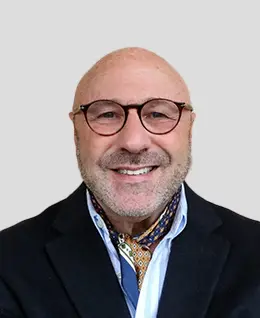
Medical Director (MD, MPH, FACPM, FASA)
Oversees medical care, clinical safety, and treatment planning across all levels of care.

Clinical Director (PsyD, LMFT)
Leads the clinical program and coordinates individualized treatment plans and therapeutic delivery.

Psychiatrist (MD)
Provides psychiatric evaluation and mental health treatment support for co-occurring conditions when clinically indicated.
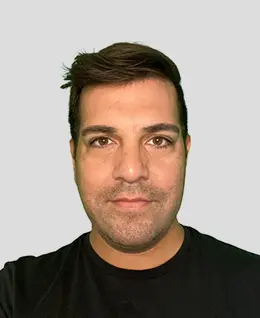
Nurse Practitioner
Supports medical oversight and continuity of care, including symptom management and clinical coordination.
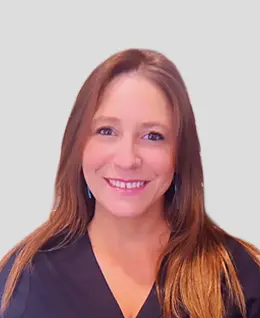
Registered Nurse
Provides day-to-day nursing support and patient monitoring during inpatient treatment and stabilization.
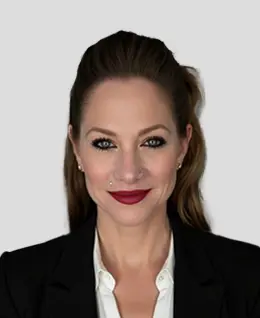
Lead Therapists (LMFT, SUDCC IV L)
Deliver evidence-based therapy and support individualized treatment, including dual diagnosis treatment and relapse prevention planning.
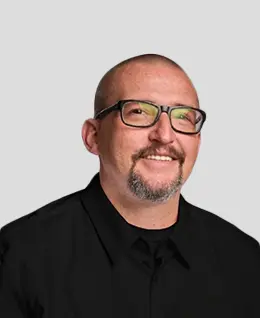
Program Director
Oversees daily program operations to keep care consistent, structured, and aligned with treatment needs.
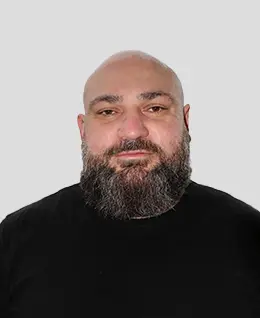
Director of Alumni
Supports long-term recovery success through aftercare continuity, connection, and ongoing recovery resources.
Find a Professional Marijuana Addiction Treatment Center in Los Angeles
Making the decision to learn more about marijuana addiction treatment in Los Angeles is a significant step toward reclaiming your health. At Lost Angels, we believe that with a structured, evidence-based plan, anyone can move from a place of difficulty to a life of purpose and well-being. Our approach is rational, compassionate, and centered on your individual needs.
If you or a loved one is struggling with marijuana use, our team is here to provide clear information and support. We can help you understand your options and take the next step with confidence.

References
- The Journal of Clinical Investigation – Cannabis Use Disorder: From Neurobiology to Treatment
- U.S. Centers for Disease Control and Prevention – Understanding Your Risk for Cannabis Use Disorder
- American Journal of Psychiatry – Cannabis Use and the Endocannabinoid System: A Clinical Perspective
- Psychology Today – Lost Angels Treatment Center Profile
- Better Business Bureau – Lost Angels Profile
Frequently Asked Questions
How much does marijuana rehab cost in Los Angeles?
The cost of marijuana rehab in Los Angeles varies depending on the level of care (e.g., residential vs. outpatient) and the length of the program. Lost Angels provides a personalized quote after a clinical assessment and works with most PPO insurance plans to help offset costs.
How long does a marijuana rehab program last in Los Angeles?
Program duration is tailored to individual needs. A residential stay typically lasts 30 to 90 days, often followed by a step-down to an intensive outpatient program for continued support.
What should I expect in a Los Angeles marijuana rehab program?
You should expect a structured, therapeutic environment that includes a comprehensive assessment, individual and group therapy, and aftercare planning. Lost Angels provides this in a private, comfortable setting with a focus on dual diagnosis care.
How do I know if I need rehab for marijuana addiction?
If you have tried to cut back or quit using marijuana without success, or if your use is negatively impacting your relationships, work, or health, professional treatment may be beneficial. A clinical assessment can provide a clear recommendation.
Can marijuana addiction be treated if I have depression or anxiety?
Yes. Effective treatment addresses both the substance use and any co-occurring mental health conditions like depression or anxiety. Lost Angels specializes in this integrated, dual diagnosis approach to care.
What happens after completing a marijuana treatment program?
A strong aftercare plan is key to long-term success. This typically includes ongoing therapy, participation in support groups, and connection to an alumni community to help you navigate early recovery and maintain your progress.