
Marijuana Addiction Symptoms


Key Topics in Marijuana Addiction Treatment
Marijuana addiction symptoms can look like a gradual loss of control over substance use, where people who use cannabis find it difficult to cut back, keep continuing to use despite consequences, or notice marijuana dependence building over time. Common warning signs of marijuana include cravings, rising tolerance linked to higher levels of THC, and experiencing withdrawal when trying to stop, especially after regular use patterns or long-term abuse of marijuana. At Lost Angels Treatment Center, we provide evidence-based treatment options for individuals who abuse marijuana and are struggling with addiction, including medically supervised detox, residential inpatient care, intensive outpatient programming, and dual diagnosis support for co-occurring mental health disorders. This structured pathway helps patients seek treatment in a private setting while addressing the patterns that maintain drug abuse.
-
AI OVERVIEW
Understanding Marijuana Addiction Symptoms
Marijuana addiction, clinically known as cannabis use disorder, is a recognized mental health condition characterized by a problematic pattern of marijuana use that causes significant impairment or distress. This goes beyond casual or social use, reflecting a compulsive relationship with the substance that begins to negatively impact daily functioning.
The symptoms of marijuana addiction can manifest in various ways, often starting subtly before progressing to more severe disruptions in a person’s life.

Behavioral Indicators of Cannabis Use Disorder
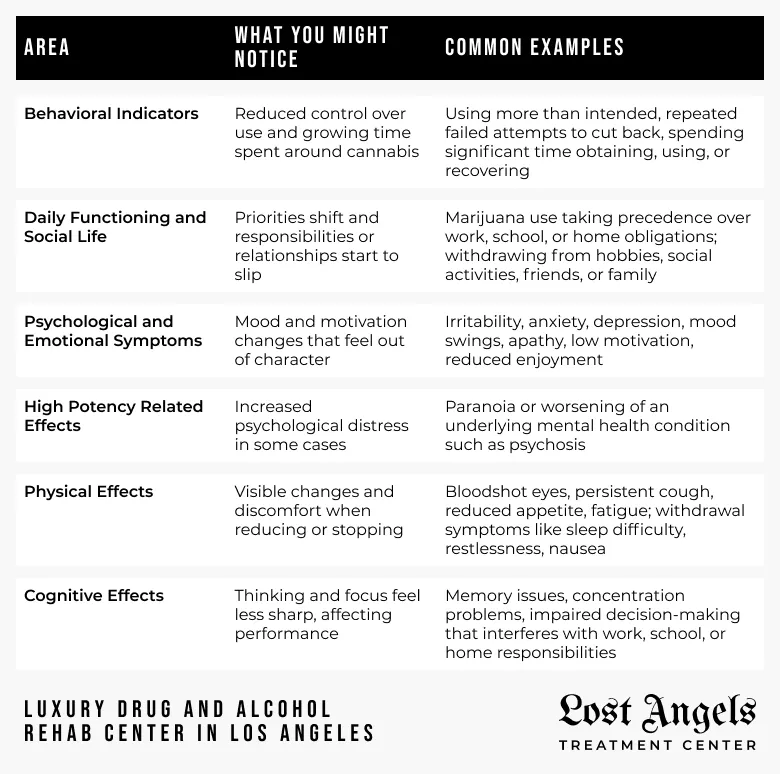
One of the first signs that marijuana use has become problematic is a growing inability to control or reduce consumption. You may find yourself using more than intended, unable to cut back despite a desire to do so, and spending significant time obtaining, using, or recovering from the effects of marijuana.
Priorities can also start to shift, with marijuana use taking precedence over important responsibilities at work, school, or home. Withdrawal from social activities, hobbies, and relationships that were once enjoyed is another common behavioral indicator that something has changed.
Psychological and Emotional Symptoms
Marijuana addiction can also manifest in noticeable psychological and emotional changes. You may experience increased irritability, anxiety, depression, or mood swings that feel disconnected from your typical disposition. Some people report feeling apathetic or unmotivated, struggling to find pleasure in activities they once enjoyed.
In some cases, especially with high-potency cannabis products, the use of marijuana can trigger feelings of paranoia or exacerbate an underlying mental health condition like psychosis. Persistent cravings and an inability to think about anything other than using can also be psychologically disruptive.

Physical and Cognitive Effects
Consistent marijuana use can lead to observable physical changes as well. You may notice bloodshot eyes, a persistent cough, loss of appetite, or unexplained fatigue. Withdrawal symptoms like difficulty sleeping, restlessness, and nausea can occur when attempting to cut back or stop using.
Cognitively, marijuana addiction has been linked to challenges with memory, concentration, and decision-making. These functional impairments can make it increasingly difficult to fulfill obligations at work, school, or home.
Causes and Risk Factors for Marijuana Addiction
The development of cannabis use disorder is influenced by a complex interplay of genetic, environmental, and behavioral factors. Identifying the potential contributors can help provide context around an individual’s unique vulnerability and guide the treatment approach.
Research suggests that genetics plays a significant role in addiction, with certain patients possessing a heightened biological susceptibility to substance dependence. If you have a close family member with a history of addiction, you may be at increased risk of developing a marijuana use disorder.
Additionally, the specific way your brain responds to and processes THC, the primary psychoactive compound in marijuana, can influence your likelihood of becoming addicted. Some people may experience more intense euphoric effects or find it harder to regulate their use.
Your environment and life experiences can also shape your relationship with cannabis. Early exposure to marijuana, particularly during adolescence when the brain is still developing, can increase the risk of addiction later in life. Trauma, chronic stress, and mental health conditions like anxiety or depression have also been linked to problematic marijuana use.
The current landscape of cannabis accessibility and product potency is another important consideration. High-THC concentrates, edibles, and synthetic cannabinoids can deliver much larger doses of the psychoactive compound, heightening the risk of developing tolerance, dependence, and withdrawal symptoms.
For some patients, marijuana use may begin as a coping mechanism to manage difficult emotions, escape stress, or self-medicate an underlying mental health condition. Over time, this pattern can reinforce and exacerbate the addiction, as the substance becomes a go-to solution for dealing with life’s challenges.
Behavioral addictions, such as gaming, gambling, or compulsive sexual behavior, often co-occur with cannabis use disorder. The two can interact, with marijuana providing temporary relief or intensification of the addictive experience.
Marijuana Withdrawal Symptoms and Detoxification at Lost Angels
When you try to stop or significantly reduce your marijuana use, you may experience a range of withdrawal symptoms that can be challenging to manage without professional support. These can include irritability, anxiety, insomnia, decreased appetite, and even physical discomfort like nausea or headaches.
The intensity and duration of withdrawal depend on factors like the frequency and amount of your marijuana use, the potency of the products consumed, and your individual physiology. Symptoms typically begin within the first 24-72 hours after your last use, peak around the first week, and gradually subside over the following two to four weeks.
Medically supervised detoxification can provide a safe, comfortable environment to navigate this process. Our team of medical professionals closely monitors your withdrawal signs, intervenes to ease discomfort, and ensures your safety throughout the transition. This allows you to focus on the therapeutic work ahead without the added burden of managing withdrawal on your own.

Comprehensive, Evidence-Based Treatment at Lost Angels
At Lost Angels Treatment Center, we understand that addressing marijuana addiction requires a multifaceted approach that addresses the biological, psychological, and social factors contributing to the disorder. Our comprehensive treatment model combines medical expertise, evidence-based therapies, and holistic wellness support to foster lasting recovery.

Personalized Assessments and Dual Diagnosis Care
The first step in your journey with us begins with a thorough, confidential assessment. Our team of physicians, including medical professionals and licensed therapists, will work closely with you to understand the full scope of your challenges, including any co-occurring mental health conditions.
This evaluation allows us to develop an individualized treatment plan targeting the root causes of your marijuana use disorder. We recognize that substance abuse often co-occurs with issues like anxiety, depression, PTSD, or bipolar disorder. By addressing these underlying conditions simultaneously, we can provide highly tailored support for your unique needs.
Structured Levels of Care for Lasting Recovery
Depending on the severity of your cannabis use disorder and any related health concerns, your personalized plan may incorporate one or more levels of care within our comprehensive continuum:
Detoxification: For individuals requiring medical stabilization, our 24/7 supervised detox program provides a safe, comfortable environment to manage withdrawal symptoms under the guidance of our nursing staff. This lays the foundation for the deeper therapeutic work to come.
Residential Inpatient Treatment: In our intimate, private treatment setting, you’ll engage in an immersive schedule of individual and group therapy, psychiatric care, and holistic wellness activities. This intensive phase focuses on developing the skills and insights necessary for sustained recovery.
Intensive Outpatient (IOP): As you progress, our IOP program allows you to transition back into your daily responsibilities while maintaining robust therapeutic support. This stepped-down level of care helps solidify the gains made during the residential stage.
Sober Living: For those who have completed primary treatment, our structured sober living homes provide a stable, recovery-focused environment to practice newfound coping strategies and gain independence. Residents receive continued counseling support and access to our expansive alumni network.
Evidence-Based Therapies and Holistic Wellness
Throughout your time with us, you’ll engage in a variety of evidence-based therapeutic modalities, each carefully chosen to address the unique drivers of your marijuana use disorder. This may include:
Cognitive Behavioral Therapy (CBT) to identify and modify unhelpful thought patterns
Dialectical Behavior Therapy (DBT) to build emotional regulation and distress tolerance skills
EMDR and Brainspotting to process traumatic experiences that may be fueling addictive behaviors
Motivational Interviewing to strengthen your personal commitment to change
In addition to medical care, we integrate holistic wellness activities into your daily schedule. Things like yoga, mindfulness meditation, art therapy, and outdoor excursions complement the therapeutic work, promoting overall mind-body healing.
Our small patient census allows us to provide an exceptionally high staff-to-patient ratio, ensuring you receive personalized attention and a structured, supportive environment for your recovery journey.
Navigating the Admissions Process with Discretion and Compassion
We understand that taking the first step toward treatment can feel daunting, especially when it involves a sensitive issue like marijuana addiction. That’s why we’ve designed our admissions process to be compassionate, transparent, and focused on your needs.
Your journey with us begins with a confidential phone call to our admissions team. During this initial conversation, we’ll gather information about your situation, discuss your treatment goals, and determine if Lost Angels is the right fit. Our admissions specialists are highly trained to listen without judgment and guide you through every step.
Once we’ve confirmed your eligibility, we’ll work closely with your insurance provider (we accept most PPO insurance plans) to verify your coverage and explain any out-of-pocket costs. Maintaining transparency around financial considerations is essential, as we want you to feel empowered to make the best decision for your care.
Upon arrival, you’ll complete a comprehensive clinical and medical assessment with our team. This collaborative process allows us to develop a personalized treatment plan that addresses the full scope of your challenges. Throughout your stay, your privacy and well-being remain our top priorities.


Licensing, Accreditation, and Quality Standards
Lost Angels Treatment Center is licensed by the California Department of Health Care Services (license #191512AP) and accredited by the Joint Commission, reflecting our commitment to the highest standards of safety, ethics, and clinical excellence.
Additionally, we maintain a verified profile on Psychology Today and an A+ rating with the Better Business Bureau, providing independent third-party validation of our organizational integrity and quality of care.
These credentials demonstrate our adherence to stringent regulatory requirements and best practices in the addiction treatment field. As a patient, you can trust that you’re receiving care from a program that prioritizes your well-being, privacy, and positive outcomes.
Start Your Recovery from Drug Addiction & Cannabis Dependence at Lost Angels
If you or a loved one is struggling with marijuana addiction symptoms, know that help is within reach. At Lost Angels Treatment Center, we’re dedicated to providing compassionate, evidence-based support to help you reclaim your health and well-being.
Our team of medical professionals, licensed therapists, and wellness experts will work closely with you to develop a personalized plan that addresses the root causes of your cannabis use disorder. With a range of specialized services and a small, private treatment setting, we’re committed to guiding you every step of the way toward lasting recovery.
Take the first step by reaching out to our admissions team today. We’re here to listen without judgment, answer your questions, and help you explore the options that best suit your unique needs. Your journey to wellness begins now.

References
- Journal of Cannabis Research – Use of Marijuana: Effect on Brain Health: A Scientific Statement From the American Heart Association
- Psychology and Personality – Genetics of Cannabis Addiction
- International Journal of Innovation Scientific Research and Review – Δ9-Tetrahydrocannabinol (THC): The Major Psychoactive Component Is of Botanical Origin
- Drug and Alcohol Dependence – Lifetime Marijuana Use and Epigenetic Age Acceleration: A 17-year Prospective Examination
- Psychology Today – Lost Angels Treatment Center Profile
- Better Business Bureau – Lost Angels Profile
Frequently Asked Questions
What are the signs and symptoms of marijuana addiction?
Marijuana addiction signs often include using more than intended, difficulty cutting back, and continued use despite harm to relationships, health, or work or school. Common symptoms can also include cravings, cannabis dependence, tolerance over time, and withdrawal symptoms after recent use.
What are the typical withdrawal symptoms from marijuana?
Cannabis withdrawal symptoms commonly include irritability, anxiety, sleep disruption, restlessness, reduced appetite, and mood changes, which can feel like a withdrawal syndrome for people who use heavily. Symptoms often begin within 24 to 72 hours after stopping, peak in the first week, and then gradually improve over the following weeks.
How long does marijuana addiction treatment typically take?
Treatment length depends on the severity of cannabis addiction, the amount of marijuana used over time, and whether there are co-occurring physical or mental health needs. Many people start with stabilization and structured care, then continue with step-down treatment options such as residential support, IOP, and aftercare to strengthen long-term recovery.
Does insurance cover treatment for marijuana addiction?
Many PPO plans cover substance abuse treatment, including care for marijuana abuse, but benefits vary by provider and plan. A confidential verification with the admissions team can clarify coverage, out-of-pocket costs, and which treatment options are included.
Can marijuana addiction co-occur with other mental health conditions?
Yes. Cannabis use disorder may co-occur with following mental health conditions such as anxiety, depression, PTSD, bipolar disorder, or ADHD, and this overlap can raise the risk of ongoing drug abuse. Dual diagnosis care with a mental health professional helps address both the symptoms and causes driving cannabis use and related mental health concerns.
What aftercare options are available after marijuana addiction treatment?
Aftercare often includes step-down support such as an intensive outpatient program, sober living, and ongoing therapy to reduce relapse risk for people who are addicted. Structured aftercare helps people who use cannabis build routines, manage triggers, and protect progress as they return to daily life.