
Heroin Addict Signs


Key Topics in Heroin Treatment
The heroin addict signs can include noticeable changes in behavior, physical health, and mood, and they often intersect with opioid withdrawal symptoms like sleep disruption, strong cravings, and severe flu-like discomfort. As these indicators are not diagnostic by themselves, a clinical assessment is the most reliable way to determine if heroin use, opioid dependence, or another health condition is the cause. Lost Angels provides structured evaluation and medically supervised support to connect suspected heroin use with a comprehensive plan, including detox, residential care, and outpatient programs.
-
AI OVERVIEW
Opioid Use Disorder as a Medical Condition
When we look at the challenge of heroin addiction, it’s essential to approach it as a complex and treatable medical condition. Opioid use disorder, the clinical term for this condition, fundamentally alters brain function, impacting everything from decision-making to the body’s response to pain and pleasure. This is not a failure of willpower; it is a disease of the brain that requires a structured, evidence-based response.
Recognizing the signs is the first step. Families and individuals often feel a sense of confusion and fear when they notice changes but can’t quite pinpoint the cause. The goal here is to provide clarity on those signs, explain the underlying health risks, and outline a logical pathway toward effective treatment.
At Lost Angels, our work is grounded in this rational, compassionate approach. We use established medical protocols and therapeutic models to help people stabilize, address the root causes of their substance use, and build a foundation for lasting recovery.
Heroin Addiction Statistics
According to the 2024 National Survey on Drug Use and Health (NSDUH) released by the Substance Abuse and Mental Health Services Administration (SAMHSA), approximately 660,000 Americans aged 12 or older reported using heroin within the past year. While this represents a small fraction of the total population, the National Institute on Drug Abuse (NIDA) emphasizes that the illicit drug supply is increasingly compromised by synthetic opioids like fentanyl.
The prevalence of clinical addiction remains a critical focus for federal health agencies, as research estimates that over 2 million people in the U.S. meet the diagnostic criteria for a heroin use disorder. The Drug Enforcement Administration (DEA) further reports that these dependency rates contribute to a persistent demand that complicates national efforts to curb the opioid crisis.
Moreover, clinical research indicates that heroin addiction is a chronic relapsing condition with high vulnerability in the early stages of abstinence. Studies suggest that approximately 80% to 95% of individuals may experience a relapse within the first year of treatment if they do not have access to comprehensive support.


Heroin Addict Signs and Symptoms
Heroin addict signs can be subtle at first, but often become more pronounced as use progresses into a dependency. These changes typically fall into three interconnected categories: behavioral, physical, and psychological.
Early Red Flags Loved Ones Often Notice
Initially, the signs may be dismissed as stress or fatigue. However, a pattern of concerning changes can emerge.
Declining Performance and Missed Obligations: A consistent drop in performance at work or school is a common indicator. This may be coupled with unexplained absences, a loss of interest in professional or academic goals, and a failure to meet family or social responsibilities.
Social Withdrawal and Isolation: Individuals may begin to withdraw from friends, family, and activities they once enjoyed. They might spend increasing amounts of time alone, become secretive about their whereabouts, or start associating with a new, unfamiliar group of people.
Financial Difficulties: Maintaining a heroin dependency is expensive. Unexplained financial strain, frequent borrowing of money, selling personal possessions, or an inability to pay bills can all be signs.
Physical Clues of Heroin Use
The physical impact of heroin use becomes more visible over time as the body is subjected to the drug’s effects and the associated lifestyle changes.
Changes in Appearance: Observable signs can include significant weight loss, poor personal hygiene, and a generally unkempt appearance.
Visible Marks and Symptoms: “Track marks” from intravenous use may be present on the arms, legs, or other parts of the body, often concealed by long sleeves. Other signs include constricted “pinpoint” pupils, a runny nose, drowsiness or “nodding off” at inappropriate times, and slurred speech.
Health Complications: Chronic use can lead to a host of serious health problems, including skin infections, abscesses, and collapsed veins. Sharing needles significantly increases the risk of contracting blood-borne viruses like HIV and hepatitis C.
Psychological and Mood-Related Changes
Heroin directly affects the brain’s chemistry, leading to noticeable shifts in mood and cognitive function.
Irritability, Mood Swings, and Slowed Thinking: While under the influence, a person may appear euphoric or drowsy. In between uses, they can become irritable, anxious, or depressed. Their thinking and reaction times may seem slowed, and they might have trouble with memory or concentration.
Defensiveness and Dishonesty: When confronted about their substance use, people often become defensive, angry, or manipulative. Lying about their activities and whereabouts becomes a mechanism to protect their ability to continue using.
How Heroin Alters the Brain and Body
To solve a problem, we first have to understand how it works. Heroin addiction is rooted in the drug’s powerful effects on the brain’s reward system. When a person uses heroin, the drug converts to morphine and binds to opioid receptors located in many areas of the brain, especially those involved in feelings of pain and pleasure.
This triggers a flood of dopamine, a neurotransmitter associated with reward and reinforcement, creating an intense sense of euphoria. The brain is wired to repeat experiences that release dopamine, which is why the initial use can quickly lead to a desire to use again.
With repeated use, the brain begins to adapt. It reduces its own production of natural opioids and dopamine, and the opioid receptors become less sensitive. This leads to two critical developments: tolerance and dependence.
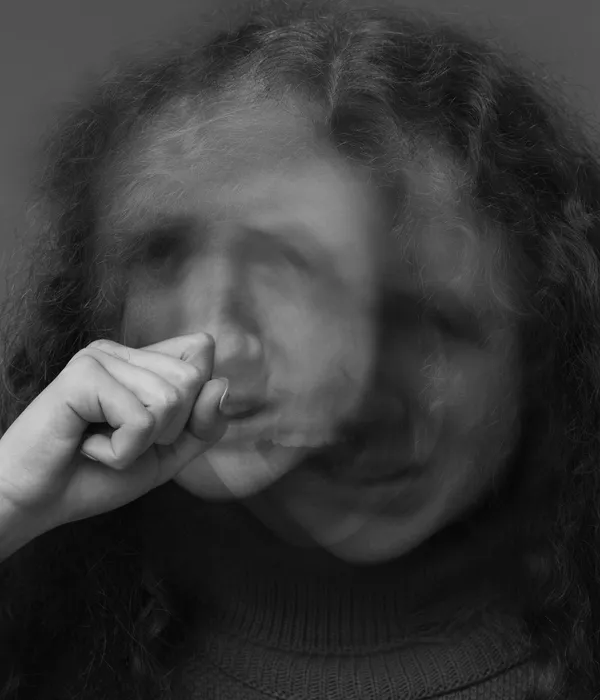

Co-Occurring Mental Health Conditions with Opioid Use Disorder
It is very common for opioid use disorder to exist alongside other mental health conditions, such as major depression, anxiety disorders, or post-traumatic stress disorder (PTSD). In many cases, patients begin using heroin as a way to self-medicate the emotional pain or debilitating symptoms of an untreated mental health issue.
This creates a complex, reinforcing cycle. The substance use may offer temporary relief, but it ultimately worsens the underlying mental health condition. At the same time, the distress from the mental health condition can intensify cravings and make it harder to stop using.
An effective treatment plan cannot simply address the substance use in isolation; it must provide integrated care that treats both the opioid use disorder and the co-occurring mental health condition simultaneously. This is the core of our dual-diagnosis approach.
Withdrawal and Overdose: Acute Symptoms and Emergency Response
Two of the most immediate dangers associated with heroin use are withdrawal and overdose. Both require a clear-eyed understanding and a plan for a swift response.
When someone who is physically dependent on heroin stops the use of heroin, the body goes into withdrawal as it tries to rebalance after chronic heroin use. The effects of heroin withdrawal are often described as a severe flu-like illness and can be intensely uncomfortable. While it is not typically life-threatening on its own, the symptoms of heroin withdrawal can still feel overwhelming.
Early withdrawal often begins within 6 to 12 hours after the last use, with symptoms of heroin such as muscle aches, restlessness, anxiety, sweating, a runny nose, and trouble sleeping. Symptoms commonly intensify around days 3 to 5, when nausea, vomiting, diarrhea, abdominal cramping, chills, and goosebumps may peak. Cravings and emotional distress often rise during this stage, which can increase relapse risk.
After the first week, the most acute physical symptoms usually start to ease, but psychological symptoms like depression, anxiety, insomnia, and cravings can linger. For some people, post-acute withdrawal syndrome can follow, with mood swings, fatigue, irritability, and difficulty concentrating that may last weeks or months.
An opioid overdose is a medical emergency that happens when a dose is high enough to suppress the central nervous system and slow or stop breathing. Risk factors increase after a period of abstinence, such as after detox or incarceration, because tolerance drops quickly even if someone was previously addicted to heroin. This is one reason heroin abuse carries a high risk of overdose when the use of heroin resumes.
Common warning signs of a heroin overdose include slow, shallow, or stopped breathing, unconsciousness or unresponsiveness, and a limp body. You may also see very small, pinpoint pupils, along with pale, blue, or cold skin, especially on the lips and fingernails. Choking or gurgling sounds can also appear, which can signal breathing is dangerously impaired and urgent medical attention is needed.
Medically Supervised Detox and Treatment in Los Angeles
Attempting to manage heroin withdrawal without medical support is not only difficult but also carries significant risks. Dehydration from vomiting and diarrhea can become severe, and the intense discomfort and cravings create a very high likelihood of relapse.
Medically supervised detox at Lost Angels provides a safe, controlled environment where withdrawal symptoms can be managed effectively. Under 24/7 care from medical staff, we can stabilize physically and psychologically.
This can include comfort medications to ease symptoms like nausea, pain, and anxiety, hydration and nutrition to counteract the effects of vomiting and diarrhea, and restore physical strength. When appropriate, your physician may use medication-assisted treatment to reduce withdrawal severity and cravings and support a smoother transition into the next phase of treatment.

Levels of Care for Heroin Addiction Treatment

Residential Inpatient Treatment
This is the highest level of care, providing 24/7 medical and medical supervision in a structured environment. It is ideal for patients with severe OUD, co-occurring mental health conditions, or an unstable home environment. At Lost Angels, our six-bed residential program allows for an intensive, highly personalized focus.
Intensive Outpatient Program (IOP)
This level of care provides structured therapy for several hours a day, multiple days a week, while allowing the individual to live at home or in a sober living environment. It serves as an effective step-down from residential care or for those with less severe needs and strong support systems.


Sober Living
These are structured, supportive homes for patients in recovery. They provide a substance-free environment and peer support, helping people practice their recovery skills while transitioning back to independent living.
Therapies and Medications Used in Heroin Addiction Treatment
Lasting recovery depends on addressing the underlying thought patterns, behaviors, and emotional issues that contribute to substance use. This is accomplished through a combination of evidence-based therapies and, when appropriate, medication. Our healthcare practitioners can help match treatment to the person’s symptoms of heroin addiction, risk factors, and behavioral health needs.
Cognitive behavioral therapy helps people identify the thought patterns and triggers that keep heroin use disorder going, including the beliefs that make heroin become the fastest way to cope with stress, pain, or cravings. It focuses on building practical skills to interrupt automatic behaviors, such as using the drug after conflict, isolation, or exposure to places and people connected to abuse of heroin.
Over time, this approach supports relapse prevention by helping the person recognize warning signs early and choose safer responses that protect both physical and mental health.
Dialectical behavior therapy is often used when heroin addiction symptoms overlap with intense emotions, impulsivity, or relationship stress that can raise relapse risk. It teaches concrete skills across mindfulness, distress tolerance, emotion regulation, and interpersonal effectiveness, so cravings or withdrawal-related distress do not automatically lead to using heroin again.
This structure is especially useful for people who feel overwhelmed by common symptoms of heroin withdrawal or emotional swings, because it builds step-by-step strategies for getting through high-risk moments without returning to heroin abuse.
EMDR is a structured trauma therapy that uses bilateral stimulation (such as guided eye movements) while you recall a distressing memory in a controlled way. The goal is to reduce how “alive” the memory feels in the present, so triggers stop hitting with the same intensity and the urge to use heroin for relief is less automatic.
In heroin addiction treatment, EMDR is often used to target specific memories that keep driving anxiety, shame, hypervigilance, or emotional flooding.
Brainspotting is a trauma therapy that focuses on how stress is stored in the body, using eye position and sustained attention to access and release physiological activation. Instead of working only through a narrative, it emphasizes noticing body sensations, emotional shifts, and nervous system responses as they change in real time, which can be useful when trauma is hard to describe.
In the context of heroin abuse, brainspotting can help reduce chronic tension, panic-like surges, and dissociation that often precede cravings or relapse.
Motivational interviewing is a collaborative, nonjudgmental approach that helps a person clarify their own reasons to change, especially when they feel conflicted about stopping heroin. It strengthens commitment by connecting the consequences of heroin abuse, such as addiction and overdose risk or strained relationships, to the patient’s values, goals, and identity.
This approach can be particularly helpful early in treatment for heroin addiction, because it builds momentum without pressure and supports follow-through when cravings, withdrawal, or doubt show up.
The Lost Angels Model for Substance Abuse
At Lost Angels, we apply these evidence-based principles in a private, supportive setting. Our model is built on medical integrity, accountability, and a deep commitment to individualized care.

Licenses, Accreditations, and External Verification
Trust is built on transparency and accountability. Lost Angels is licensed by the California Department of Health Care Services (DHCS License #191512AP) and accredited by The Joint Commission, the nation’s leading healthcare accreditation body. These certifications demonstrate our adherence to the highest standards of safety and quality of care.
We also maintain verified profiles with Psychology Today and the Better Business Bureau, providing additional layers of external validation.

A Multidisciplinary Team for Complex Needs
Treating opioid use disorder requires a coordinated effort from a team of specialists. Our staff includes a medical director, psychiatrist, licensed therapists, nursing staff, and case managers. This structure ensures that every aspect of a patient’s health (physical, psychological, and social) is addressed in an integrated fashion. With a small, six-client capacity, our high staff-to-client ratio ensures that each person receives the focused attention they need.
Aftercare Planning and Relapse Prevention
Treatment is just the beginning of the recovery journey. A successful outcome depends on a well-designed aftercare plan. From the moment of admission, our team works with each patient to prepare for the transition back into daily life by connecting them with therapists, psychiatrists, and support groups like Narcotics Anonymous or SMART Recovery in their home community.
We also develop concrete relapse prevention strategies to manage triggers and cravings, educate patients and their families on overdose prevention, including access to naloxone, and arrange a step-down to an intensive outpatient program or a sober living home when appropriate.


Costs, Insurance Coverage, and Access to Treatment
We understand that concerns about cost are a significant factor for families considering treatment. To provide clarity, our admissions team offers a confidential, no-obligation verification of benefits for most PPO insurance plans.
We are committed to transparency and will walk you through your coverage and any potential out-of-pocket costs before any commitment is made. Navigating insurance can be complex, and our goal is to make the process as straightforward as possible so you can focus on the path to recovery.
Find Help for Heroin Abuse in Los Angeles at Lost Angels
Recognizing the signs of heroin addiction in yourself or a loved one is a difficult and often painful realization. But it is also a moment of opportunity, a chance to move from uncertainty toward a structured, effective treatment. The problem of opioid use disorder is complex, but it is not insurmountable. With the right support, healing is possible.
If you are ready to learn more about our compassionate approach to treatment, our team is here to have that conversation.

References
- National Center for Drug Abuse Statistics – Drug Abuse Statistics
- Abrazo Central Campus – Opioid Use Disorder: Evaluation and Management
- U.S. Drug Enforcement Administration – DEA Releases 2024 National Drug Threat Assessment
- International Journal of Environmental Research and Public Health – Factors Associated with Relapse among Heroin Addicts: Evidence from a Two-Year Community-Based Follow-Up Study in China
- Progress in Neuro-Psychopharmacology and Biological Psychiatry – Chronic Heroin Use Disorder and The Brain: Current Evidence and Future Implications
- Psychology Today – Lost Angels Treatment Center Profile
- Better Business Bureau – Lost Angels Profile
Frequently Asked Questions
What are the most common signs of heroin use?
Common signs include behavioral changes like social withdrawal and financial trouble; physical signs like pinpoint pupils, drowsiness, and weight loss; and psychological changes like mood swings, irritability, and defensiveness.
What happens during heroin withdrawal?
Heroin withdrawal involves a range of flu-like physical symptoms, including muscle aches, nausea, and chills, as well as psychological symptoms like anxiety, depression, and intense cravings. Symptoms typically peak within 3-5 days.
Is medical detox necessary for heroin addiction?
While not always mandatory, medically supervised detox is strongly recommended. It provides a safe and far more comfortable environment to manage withdrawal symptoms, prevents dangerous complications like severe dehydration, and significantly reduces the risk of an immediate relapse.
How is heroin addiction treated?
Effective treatment combines multiple components: medically supervised detox, evidence-based therapies (like CBT and DBT), treatment for co-occurring mental health conditions, and often MAT to reduce cravings and overdose risk. This is followed by a robust aftercare plan.
Does insurance cover treatment for heroin addiction?
Most PPO insurance plans provide coverage for substance use disorder treatment, including detox and residential care. At Lost Angels, our admissions team can perform a complimentary insurance verification to help you understand your specific benefits.
Do heroin treatment programs address co-occurring disorders?
High-quality programs offer integrated, dual-diagnosis care. This means they treat both the substance use disorder and any co-occurring mental health conditions (like depression, anxiety, or PTSD) at the same time, which is critical for a successful long-term outcome.