


Detoxing from alcohol at home can be dangerous, especially for people with moderate to severe alcohol dependence. While some individuals may experience early symptoms such as anxiety, tremors, nausea, or insomnia, others can develop far more serious complications, including seizures, hallucinations, severe cardiovascular changes, and delirium tremens. Because alcohol withdrawal can become unpredictable very quickly, a medically supervised alcohol detox is often the safer option for reducing risk and managing symptoms properly.
This is especially important for anyone with a history of previous withdrawal, heavy long-term drinking, underlying medical problems, or co-occurring mental health conditions, since these factors can make home detox significantly more dangerous.
What Common Misconceptions Lead People to Attempt At-Home Detox?
People often decide to detox from alcohol at home based on a set of powerful, yet dangerous, myths and rationalizations. These ideas can feel convincing, especially when fueled by shame, fear of judgment, or a desire for privacy.
Understanding and deconstructing these misconceptions is the first step toward recognizing why professional medical oversight is so critical.
Is It Just a Matter of Willpower or ‘Toughing It Out’?
One of the most pervasive myths about alcohol addiction is that overcoming its physical aspects is simply a test of character or willpower. Many people believe they should be strong enough to “tough it out” or “sweat it out” on their own.
This perspective fundamentally misunderstands the nature of alcohol withdrawal. It is not a moral failing or a lapse in resolve; it is a serious and potentially fatal medical condition.
Chronic alcohol use suppresses the central nervous system. To compensate, the brain increases the activity of its excitatory neurotransmitters. When alcohol is abruptly removed, the nervous system is left in a state of severe hyperexcitability.
Therefore, willpower, no matter how strong, cannot stop severe withdrawal symptoms such as a seizure. It cannot regulate a dangerously high heart rate or prevent the profound confusion and hallucinations associated with DTs.
Framing withdrawal as a battle of wills ignores the powerful physiological forces at play and places patients in grave danger.
If I’ve Detoxed at Home Before, Can I Do It Again Safely?
Past experience can create a false sense of security. Someone might think, “I’ve been through this before and I was fine, so I can handle it again.” This logic is flawed because of a phenomenon known as the “kindling effect.” Each successive episode of alcohol withdrawal can be more severe than the last.
Think of it like carving a path in the brain. Each time a person goes through withdrawal, that neurological pathway becomes more established and sensitive. The brain becomes more adept at producing the severe stress response associated with the absence of alcohol.
Consequently, a person may experience more intense and dangerous symptoms with each subsequent detox, even if they were drinking less or for a shorter period than before. A previous at-home detox that resulted in only moderate symptoms is not a reliable predictor of future safety.
In fact, it may have sensitized the brain, making the next attempt significantly more dangerous.
Can I Avoid Danger by Slowly Tapering Off Alcohol?
On the surface, tapering (gradually reducing alcohol consumption over time) seems like a logical and safer alternative to quitting “cold turkey.”
The goal is to allow the nervous system to slowly readjust to lower and lower amounts of alcohol, thereby avoiding severe withdrawal. While this is the basic principle behind a medical detox, attempting to manage it yourself is incredibly difficult and risky.
A successful taper requires precise medical knowledge. A healthcare professional knows how to calculate a safe starting dose and a gradual reduction schedule based on your specific level of dependence and overall health.
When people try to self-taper, they are essentially guessing. They often reduce their intake too quickly, which can trigger the very withdrawal symptoms they are trying to avoid.
Conversely, the intense cravings that accompany this process can make it almost impossible to stick to a tapering schedule, often leading to a cycle of partial withdrawal followed by a return to heavy drinking to relieve the discomfort.
| Misconception | Why It Sounds Convincing | What’s Actually True | Main Risk |
|---|---|---|---|
| “I can tough it out” | Feels like willpower | Withdrawal is medical | Seizures, DTs |
| “I did it before” | Past detox felt manageable | Kindling can worsen symptoms | Next detox may be worse |
| “I’ll just taper myself” | Seems safer than quitting abruptly | Safe tapering needs medical guidance | Wrong taper, relapse, withdrawal |
How Does the Mind Experience Alcohol Withdrawal?
The physical symptoms of alcohol withdrawal are well-known, but the psychological effects are often just as harrowing and dangerous. The same neurological hyperexcitability that causes tremors and seizures also unleashes a storm of mental and emotional distress.
For many, this psychological turmoil is the most difficult part of the process and can pose a significant risk if not managed professionally.
Why Are Overwhelming Anxiety and Panic So Common?
Anxiety is a hallmark of alcohol withdrawal. This feeling can be an all-consuming, terrifying experience.
As the brain rebounds from the depressive effects of alcohol, it enters a state of overdrive. This manifests psychologically as profound restlessness, irritability, and a pervasive sense of dread. Your thoughts might race, and you may feel a constant, unidentifiable fear.
This biochemical state can easily trigger full-blown panic attacks, which are intense episodes of fear accompanied by physical symptoms like a pounding heart, shortness of breath, dizziness, and a feeling of impending doom.
Without medical support, these experiences can feel unbearable. The intense desire to make these feelings stop is a primary driver of relapse during an at-home detox attempt.
In a medical setting, medications can calm this hyperactive nervous system, making the process tolerable and safe.
Are Auditory and Visual Hallucinations a Sign of DTs?
Experiencing hallucinations during alcohol withdrawal is a sign of a severe, life-threatening complication and requires immediate medical intervention. It’s important to understand the different ways this can present.
Some patients may experience alcoholic hallucinosis, where they hear voices or see things that aren’t there, but remain otherwise oriented and aware of their surroundings. While frightening, they typically know they are hallucinating.
This is distinct from the hallucinations that occur during delirium tremens (DTs). DTs involve not only hallucinations but also profound confusion, disorientation, agitation, fever, and severe cardiovascular changes. A person with DTs is not in touch with reality.
Both conditions are medical emergencies. The appearance of any hallucination (i.e., auditory, visual, or tactile (like a feeling of bugs crawling on the skin)) is a clear signal that the withdrawal has progressed to a dangerous stage and that at-home care is no longer an option.
How Can Withdrawal Amplify Underlying Mood Disorders?
Many people who struggle with alcohol dependence also have a co-occurring mental health condition, such as major depressive disorder, bipolar disorder, or PTSD. The neurochemical upheaval of alcohol withdrawal can destabilize these underlying conditions with frightening intensity.
The process can trigger severe depressive episodes, marked by overwhelming hopelessness and suicidal thoughts. For someone with bipolar disorder, withdrawal can provoke a switch into a manic or hypomanic episode. For individuals with PTSD, the extreme anxiety and hypervigilance of withdrawal can trigger intense flashbacks and trauma responses.
Managing this interplay between withdrawal and a pre-existing mood disorder requires specialized psychiatric care. Attempting to navigate it alone can lead to a mental health crisis on top of a physical one.

How Does a Medical Detox Plan Adapt to These Individual Needs?
The immense variability and unpredictability of alcohol withdrawal are precisely why professional medical detox is the standard of care. It is not a rigid, one-size-fits-all program but a flexible and adaptive process designed to meet the unique needs of each person.
The goal is to manage the specific risks identified in your personal history, ensuring safety and comfort throughout.
How Is a Detox Regimen Personalized After an Assessment?
The foundation of a safe medical detox is a comprehensive initial assessment. When you enter a detox facility, a medical team will conduct a thorough evaluation. This is an in-depth process to gather critical information.
They will ask about your drinking history (how much, how often, for how long), any previous withdrawal experiences and their severity, your full medical history including any chronic conditions, and your mental health history, including any diagnoses or symptoms of depression, anxiety, or other disorders.
This information allows the team to stratify your risk level and anticipate potential complications. Based on this personalized assessment, they will create a tailored detox protocol.
This includes determining the appropriate medications, dosage levels, and tapering schedule, as well as a plan for monitoring your vital signs and mental state. This personalized approach directly counters the dangers of the unpredictable, unmonitored environment of an at-home detox.
What Medications Are Used to Manage Specific Symptoms?
While a class of medications called benzodiazepines (like lorazepam or diazepam) are often the cornerstone of alcohol detox, a sophisticated medical protocol involves a range of medications to manage specific symptoms.
Benzodiazepines are used to substitute for the effects of alcohol on the brain in a controlled, safe way. They prevent the most dangerous symptoms, like seizures and DTs, and reduce overall anxiety.
Beyond that, other medications are used to enhance safety and comfort. Beta-blockers may be prescribed to control dangerously high blood pressure and heart rate. Specific anti-seizure medications can be used as an alternative or supplement to benzodiazepines. Additionally, comfort medications can be given to manage symptoms like nausea, vomiting, or insomnia, which can make the process deeply unpleasant.
This multifaceted pharmacological approach is something that can only be managed safely by a medical team.
How Does Integrated Treatment Address Co-Occurring Conditions?
For patients with a dual diagnosis (a co-occurring substance use disorder and mental health condition), an integrated treatment facility is essential.
During detox, the psychological distress can exacerbate an underlying mental health issue. In a dual diagnosis-capable program, care is not siloed. The medical team works alongside psychiatrists and therapists to manage both conditions concurrently.
This means that if a person’s depression worsens or they experience a panic attack, psychiatric support is immediately available. Their regular psychiatric medications can be managed and adjusted as needed in response to the physiological changes of detox.
This integrated approach ensures that your mental health is treated with the same urgency and expertise as your physical health, creating a safer and more stable foundation for long-term recovery.
What Should a Loved One Understand About This Variability?
If someone you care about is facing alcohol withdrawal, then being aware of the unpredictable nature of the process is one of the most supportive things you can do. Your perspective can significantly influence their willingness to seek safe, professional help.
How Can I Avoid Judging Their Experience Based on Others?
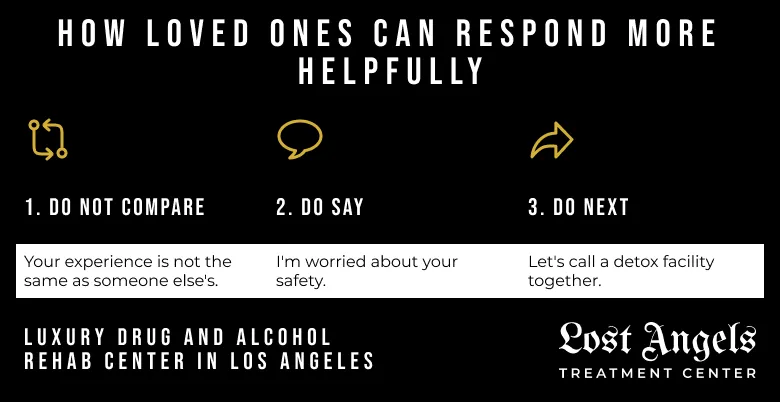
It is natural to look for reference points, but comparing your loved one’s struggle to someone else’s is both unhelpful and potentially dangerous. Comments like, “My uncle quit cold turkey and he was just fine,” or “Why is this so hard for you when others can manage it?” are deeply invalidating. They reinforce the harmful myth that withdrawal is a matter of willpower and can increase the person’s feelings of shame and isolation.
Instead, work to accept that their experience is unique to them. Remind yourself, and them, that the severity of withdrawal is a medical issue determined by complex factors like physiology and genetics, not a reflection of their character or strength.
The most loving and supportive stance you can take is to acknowledge the seriousness of their situation and focus entirely on what is needed to ensure their personal safety, regardless of how others have fared.
What Are the Most Helpful Ways to Encourage Professional Help?
Pushing someone toward help with ultimatums or accusations often backfires. A more effective approach is rooted in calm, direct communication and supportive action.
Express your concerns using “I” statements, which focus on your own feelings and observations rather than placing blame. For example, say “I am scared for your safety when I see you shaking and feeling so sick,” instead of “You are being reckless by trying to do this alone.”
Beyond just talking, you can take practical steps to make seeking help feel less overwhelming. Offer to do some of the legwork.
You can research local medical detox facilities, find their phone numbers, or look into insurance coverage. Presenting this information as a concrete, collaborative option can transform the abstract idea of “getting help” into a clear, achievable next step.
Frame it as a team effort: “I found a few places we could call together, just to ask some questions. I’ll be with you the whole way.” This approach conveys care and partnership, not control, and can make all the difference.
Get Medically Supervised Detox at Lost Angels
At Lost Angels, we know that people searching for answers about whether it is safe to detox from alcohol at home are often trying to protect themselves or someone they love from a worsening situation. The safest path usually starts with recognizing that alcohol abuse can create a level of instability that should be medically supervised.
There is value in getting help before symptoms intensify. Reach out to Lost Angels to discuss alcohol rehab in Los Angeles, safe next steps, and how to help prevent a relapse after detoxification.
References
- Bagi, O., Kádár, B. K., Farkas, F. F., Gajdics, J., Pribék, I. K., & Lázár, B. A. (2025). The role of kindling mechanism: A validation study of the Hungarian version of the Prediction of Alcohol Withdrawal Severity Scale. Plos one, 20(9), e0330629. https://doi.org/10.1371/journal.pone.0330629
- Jaskulski, A., Kabała, D., Bielecki, M., Zapałowska, A., Zatorski, T., Szczepańska, M., & Głód, M. (2024). Exploring the therapeutic potential of beta blockers in psychiatry: Review study. Medical Science, 28, e113ms3429. https://doi.org/10.54905/disssi.v28i150.e113ms3429
Frequently Asked Questions
Is It Safe To Detox From Alcohol At Home?
No, an at-home alcohol detox is generally unsafe because alcohol withdrawal can be fatal if symptoms like seizures or delirium tremens escalate without medical oversight. Professional addiction treatment provides the necessary clinical environment to monitor your vital signs and intervene during life-threatening emergencies.
What Is Alcohol Withdrawal Syndrome?
Alcohol withdrawal syndrome is a collection of physical and psychological symptoms that emerge when a person with an alcohol dependency suddenly stops their consumption of alcohol. This syndrome results from a hyperexcited central nervous system attempting to function without the depressant effects of the substance.
Why Does The Kindling Effect Make Detox More Dangerous?
The kindling effect describes how repeated episodes of detox and withdrawal sensitize the brain, making each subsequent attempt more severe. This means your withdrawal symptoms may become life-threatening even if your recent alcohol intake was lower than in previous years.
Can You Stop Drinking By Tapering Off At Home?
Self-managed tapering is extremely difficult and risky because it often triggers an intense craving for alcohol that leads to a cycle of relapse. Professional detox programs offer a safer alternative by using a precise, medically supervised schedule to ease withdrawal symptoms effectively.
What Are The Risks Of Severe Alcohol Withdrawal?
Severe alcohol withdrawal carries significant risks, including status epilepticus, heart attack, stroke, and delirium tremens (DTs). Clinical data indicates that DTs occur in 3% to 5% of patients with alcohol withdrawal and can be fatal in up to 15% of cases if the individual does not receive immediate medical attention.
How Do Medications Manage Withdrawal Symptoms?
Physicians often prescribe medication, such as benzodiazepines, to stabilize the brain's neurochemistry and prevent the onset of alcohol withdrawal seizures. These clinical interventions help manage withdrawal symptoms like anxiety and tremors, making the process significantly more comfortable and secure.
How Do Medical Conditions Complicate Alcohol Detoxification?
Pre-existing issues like liver disease or heart conditions make the body less resilient to the intense physical stress of alcohol and drug withdrawal. An inpatient detox program provides 24/7 monitoring to ensure that these co-occurring physical health problems do not escalate into a fatal crisis.
What Psychological Symptoms Should You Expect?
Alcohol withdrawal often triggers a storm of psychological distress, including overwhelming anxiety, panic attacks, and vivid hallucinations. These symptoms vary from person to person but frequently require psychiatric support within a treatment plan to prevent immediate relapse or self-harm.
Why Is Integrated Dual Diagnosis Treatment Essential?
Integrated addiction treatment addresses both alcohol addiction and underlying mood disorders simultaneously to build a foundation for long-term recovery. Treating both conditions concurrently ensures that untreated depression or PTSD does not drive a renewed craving for alcohol once the physical detox is complete.
How Can A Friend Or Family Member Help?
A friend or family member can provide the most help by encouraging professional treatment with empathy rather than judgment. Offering to research an inpatient detox program or calling an alcohol and drug information service provides the practical support needed to help a loved one take the first step toward safety.