
Signs of Opioid Addiction


Key Topics in OpioiD Addiction
Opioid addiction is a treatable medical condition marked by compulsive opioid use, increasing tolerance, physical dependence, and persistent use despite negative consequences. Warning signs often include strong opioid cravings, failed attempts to stop, withdrawal from opioids, and visible changes in behavior, physical health, and emotional regulation. Serious risks can include overdose, respiratory depression, infectious disease, and long-term cognitive or hormonal complications. Lost Angels offers support for patients showing symptoms of opioid addiction and in need of clinical assessment and care.
-
AI OVERVIEW
Professional Treatment Program for Opioid Use Disorder in Los Angeles
When opioid use begins to affect health, relationships, or the ability to function day to day, the warning signs usually extend beyond one symptom alone.
Here, we break down the signs of opioid addiction into a practical framework that covers physical changes, emotional instability, and the behavioral shifts that often accompany the use of opioids over time.


What Is Opioid Addiction?
Opioid Use Disorder (OUD), the clinical term for opioid addiction, is a treatable medical condition defined by specific, observable changes in brain chemistry and behavior.
The condition often originates from the legitimate use of prescription opioid pain relievers, such as oxycodone or hydrocodone, but can progress to a pattern of compulsive use that compromises an individual’s health, relationships, and ability to function in daily life.
Opioids function by binding to specific proteins called opioid receptors, located on nerve cells in the brain, spinal cord, gut, and other parts of the body.
This action blocks pain signals and releases large amounts of dopamine in the brain’s reward centers, producing feelings of pleasure and euphoria.
Tolerance is a predictable physiological adaptation. As the brain becomes accustomed to the presence of the opioid, its receptors become less sensitive.
Consequently, the original dose no longer produces the same degree of pain relief or euphoria, compelling the user to take higher or more frequent doses to achieve the desired effect.
Physical Dependence is the next stage, where the body has adapted its normal functioning to the consistent presence of the opioid. The brain reduces its own production of natural pain-relieving chemicals (endorphins).
If the opioid is stopped or the dose is significantly reduced, the body’s now-unbalanced chemistry triggers a withdrawal syndrome, characterized by a range of highly uncomfortable physical and psychological symptoms.
Addiction (OUD) represents the most severe stage of this progression. It is a chronic brain disease characterized by a powerful, compulsive urge to seek and use opioids, despite a clear understanding of the destructive consequences. This loss of control over substance use is the critical feature that separates addiction from tolerance and physical dependence, which can occur even when opioids are taken as prescribed.
Recognizing this framework is the first step toward identifying a potential problem. While tolerance and dependence are expected physiological responses, the emergence of compulsive behavior and continued use despite negative life impacts are the definitive signs of opioid addiction that necessitate a formal clinical evaluation.
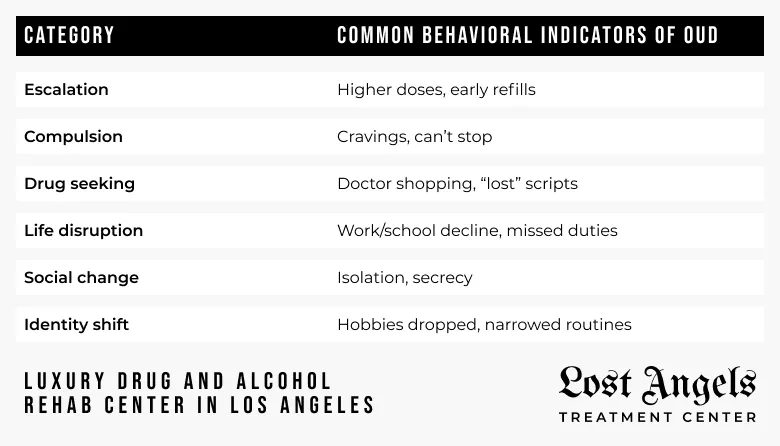
What Are the Behavioral Indicators of Opioid Addiction?
Changes in a person’s daily habits and behaviors are often the most visible indicators of a developing opioid use disorder. These shifts may begin subtly but typically become more pronounced and disruptive as the brain’s reward circuitry becomes increasingly rewired by the substance.
Observing a consistent pattern of these behaviors, rather than an isolated incident, is a strong signal that a professional assessment is warranted.


Growing Tolerance and Dose Escalation
A primary behavioral sign is the consumption of opioids in larger amounts or over a longer duration than was originally intended or prescribed. This often manifests in practical ways, such as running out of a prescription well before it is due for a refill.
The patient may complain that their prescribed dose is no longer effective for managing pain, a clear sign of growing tolerance. This escalation is a direct response to the body’s adaptation and is a key driver in the progression from use to dependence and addiction.
Loss of Control and Strong Cravings
A person struggling with OUD will often spend a significant amount of time and energy obtaining, using, or recovering from the effects of opioids. This preoccupation can overshadow all other aspects of life.
They may express a persistent desire to cut down or stop their use but find themselves unable to do so, even after multiple attempts. This loss of control is frequently accompanied by intense cravings—powerful, intrusive urges that can dominate a person’s thoughts and drive compulsive drug-seeking behavior, even when they are fully aware of the potential harm.


Doctor Shopping and Multiple Prescribers
To secure a continuous supply of opioids and bypass the limitations of a single prescription, an individual may engage in “doctor shopping.” This involves visiting multiple doctors, urgent care clinics, or emergency rooms to obtain several prescriptions for the same or similar medications.
They might feign or exaggerate symptoms, be evasive about their medical history, fail to disclose other prescribers, or frequently report prescriptions as lost or stolen. This pattern of deception is a clear indicator that use has become unmanageable and is being driven by compulsion rather than legitimate medical need.

Pulling Away From Family and Friends
Social withdrawal and isolation are common behavioral consequences of opioid addiction. People may distance themselves from family and friends to hide the extent of their substance use, avoid judgment, or because they no longer find pleasure in relationships and activities they once enjoyed.
This isolation creates a dangerous feedback loop, as the lack of social support can exacerbate feelings of shame and depression, further fueling the substance use.

Neglecting Responsibilities and Hobbies
As opioid use becomes the central organizing principle of a person’s life, important responsibilities are often neglected. At work, this can manifest as chronic lateness, frequent absences, missed deadlines, or a noticeable decline in performance.
For students, it may lead to falling grades and poor attendance. At home, household duties, financial management, and parental or spousal responsibilities may be abandoned.
Similarly, the person may lose interest in hobbies, sports, and social activities that were once a source of fulfillment and identity.
What Are the Physical Warning Signs Linked to Opioid Misuse?
Opioid use directly impacts the central nervous system, leading to a range of observable physical symptoms. These signs provide objective evidence of opioid effects on the body.
While some may be subtle, they become important clues when observed in conjunction with the behavioral and psychological changes associated with OUD.
Opioids stimulate the parasympathetic nervous system, which causes the pupils to constrict, making them appear very small or “pinpoint” (miosis). This is a classic sign of opioid intoxication.
Other common signs include excessive drowsiness, slurred speech, and “nodding off” at inappropriate times, such as during a conversation or a meal. The most dangerous physical sign is slowed breathing (respiratory depression).
Opioids suppress the respiratory center in the brainstem, causing breathing to become shallow and slow. This is the primary mechanism of a fatal opioid overdose.
Opioids have a powerful effect on the gastrointestinal tract. They bind to opioid receptors in the gut, significantly slowing down motility and leading to chronic, severe constipation.
Nausea and vomiting are also common, particularly when initiating use or increasing a dose, as opioids affect the area of the brain that controls the vomiting reflex. Many patients also experience persistent itching (pruritus), especially on the face, arms, and legs. This is caused by the drug’s effect on histamine release in the body.
Psychological and Emotional Changes
Opioid use disorder profoundly alters a person’s mental and emotional state. The cycle of intoxication and withdrawal creates significant instability.
Furthermore, the neurochemical changes caused by chronic opioid use can induce or worsen underlying mental health conditions, making it difficult for an individual to think clearly, regulate emotions, and maintain a stable mood.

Irritability, Anxiety, and Mood Swings
Unexplained and frequent shifts in mood are a common psychological sign of OUD. A person may swing from a state of euphoria or placid calm while under the influence to being intensely irritable, anxious, or agitated as the drug’s effects wear off and withdrawal begins.
This emotional volatility can place immense strain on relationships and create an unpredictable and stressful environment for family members and colleagues.

Depression and Suicidal Thoughts
There is a strong bidirectional link between opioid use and depression. Chronic opioid use can deplete the brain’s natural supply of neurotransmitters like dopamine and serotonin, leading to a persistent state of low mood, apathy, and hopelessness that can manifest as a major depressive episode.
In some cases, patients with pre-existing depression may use opioids to self-medicate their emotional pain. In severe cases, this despair can escalate to suicidal thoughts or ideation, which constitutes a medical emergency requiring immediate professional intervention.
Opioid Withdrawal Symptoms and Timeline
The specific timeline and severity of withdrawal vary based on the type of opioid used (short-acting vs. long-acting), the dose and duration of use, and individual health factors.
For short-acting opioids like heroin or immediate-release prescription pills, symptoms typically begin within 6 to 12 hours of the last dose. Early symptoms resemble a severe case of the flu and include muscle aches, restlessness, anxiety, a runny nose, sweating, and excessive yawning.
As withdrawal progresses over the next 1 to 3 days, symptoms peak in intensity and can include abdominal cramping, nausea, vomiting, diarrhea, high blood pressure, and insomnia. The most acute phase usually lasts for 4 to 10 days.
For long-acting opioids like methadone, the onset of withdrawal is more delayed, beginning 24 to 48 hours after the last dose. The symptoms are often less intense but can be more prolonged, lasting for several weeks.


Post-Acute Withdrawal Symptoms (PAWS)
After the acute withdrawal phase resolves, some individuals experience Post-Acute Withdrawal Symptoms (PAWS). These are longer-lasting, less intense symptoms that can fluctuate, coming and going for weeks or even months. PAWS are the result of the brain slowly recalibrating its neurochemical systems.
Symptoms may include mood swings, anxiety, low energy, sleep disturbances, irritability, and difficulty with concentration or memory. Understanding PAWS is a critical component of relapse prevention, as it helps patients anticipate and manage the protracted challenges of early recovery.
Short- and Long-Term Health Effects
Consistent opioid use carries significant risks to both physical and mental health. While short-term effects like drowsiness and confusion may seem manageable, they can quickly lead to life-threatening situations.
Over the long term, the cumulative damage can affect nearly every system in the body, underscoring the urgency of seeking treatment.
Medical Complications Related to Opioid Use
Infectious Diseases: For people who inject opioids, the risk of contracting blood-borne pathogens like HIV, hepatitis B, and hepatitis C through shared or unsterile needles is extremely high. Skin and soft tissue infections, such as abscesses and cellulitis, are also common at injection sites.
Cardiovascular Damage: Opioid use can lead to serious heart complications. Endocarditis, a life-threatening infection of the heart’s inner lining and valves, can occur when bacteria enter the bloodstream during injection. Irregular heart rhythms and other cardiac problems can also develop.
Gastrointestinal Issues: Chronic constipation is a near-universal side effect that can lead to severe complications, including fecal impaction and bowel obstruction, which may require surgical intervention.
Hormonal Imbalance: Long-term opioid use can disrupt the endocrine system, a condition known as opioid-induced endocrinopathy. This can cause hormonal deficiencies that lead to low libido, sexual dysfunction, irregular menstrual cycles, fatigue, and mood disorders in both men and women.
Neurological Problems: Chronic use can impair cognitive function, memory, and decision-making abilities. A non-fatal overdose can cause hypoxic brain injury (brain damage resulting from a lack of oxygen) which can lead to permanent cognitive deficits and physical disability.
Who Is at Risk and Why Does Opioid Addiction Develops
Opioid use disorder can affect anyone, regardless of age, gender, socioeconomic status, or background. Addiction is a complex disease resulting from a multifaceted interplay of genetic, psychological, and environmental influences.
Genetic Factors: A personal or family history of substance use disorder significantly increases risk, suggesting a genetic predisposition. This involves complex genetic variations that can affect brain reward pathways and impulse control.
Psychological Factors: Experiencing trauma, especially in childhood, is a major risk factor. Co-occurring mental health conditions like depression, anxiety disorders, or PTSD also increase vulnerability, as patients may use opioids to self-medicate emotional pain.
Environmental Factors: Social factors such as poverty, social isolation, or association with peer groups where substance use is common can elevate risk. Easy access to opioids, whether prescribed or illicit, is also a key environmental component.
Prescription-Related Factors: Long-term exposure to prescription opioids, particularly at high doses for chronic pain management, can initiate the cycle of tolerance and dependence that may progress to addiction.
Overdose vs. Addiction Signs: When to Seek Emergency Help
It is vital to distinguish between the ongoing signs of addiction and the acute, life-threatening signs of an opioid overdose. While addiction is a chronic condition requiring structured treatment, an overdose is a medical emergency that demands immediate action.
Signs of Overdose and Naloxone Basics
An opioid overdose occurs when a toxic amount of the drug overwhelms the central nervous system, causing breathing to slow down or stop completely. The primary signs of an overdose are unconsciousness or unresponsiveness, extremely slow and shallow breathing, gurgling noises or a snoring-like sound (sometimes called a “death rattle”), cyanosis, and pinpoint pupils.
If you suspect an overdose, call 911 immediately. Stay with the person and place them in the recovery position (on their side) until emergency medical services arrive.

Treatment at Lost Angels: Medical Care in a Private Luxury Setting
Lost Angels Treatment Center is a luxury residential addiction and mental health treatment center in Sherman Oaks, Los Angeles, with a six-patient capacity.
The program is structured to support addiction and co-occurring mental health needs through medically supervised services, evidence-based therapy, and holistic wellness in a highly private environment.
Lost Angels provides a full continuum of care that can be matched to clinical needs and adjusted as progress develops.
Treatment begins with a comprehensive assessment, followed by medically supervised detox when needed, residential inpatient care for immersive stabilization and therapy, intensive outpatient programming for step-down support, and sober living for a structured transition into independent recovery.
Treatment integrates evidence-based approaches commonly used in addiction and dual-diagnosis care, including:
Treatment is delivered through a combination of individual therapy, group therapy, process groups, and family therapy.
Lost Angels also offers dual diagnosis programming, aftercare, and alumni support with ongoing therapy and monitoring, and specialty options that can accommodate professionals, executives, and couples.
Lost Angels is licensed by the California Department of Health Care Services (DHCS) in California under license or registration number 191512AP and is Joint Commission accredited, reflecting standardized expectations for safety, quality, and clinical operations.
The center also maintains a verified Psychology Today profile and a Better Business Bureau business profile, which provide additional third-party reference points for patients and families evaluating care.
Lost Angels accepts most PPO plans and provides benefits verification to help clarify coverage and expected out-of-pocket costs.
Private pay options are also available for patients who prefer to limit insurance involvement for privacy reasons.
Lost Angels combines medical structure with a premium, private setting designed to reduce distractions and support engagement in treatment:
Accommodations and amenities: Private and semi-private ensuite rooms, pool/spa area, fitness center, chef-prepared meals, private therapy suites, concierge-style service, and pet-friendly options may be available.
Holistic programming: Yoga/movement, mindfulness/meditation, fitness/strength, art/music therapy, and outdoor nature excursions.
Designed for privacy: High staff engagement in a small-census environment, with support tailored for professionals, executives, couples, and international patients.

We Can Help You Treat the Symptoms of Opioid Dependence
When the signs of opioid addiction begin affecting daily life, waiting for things to get worse can increase both medical and emotional risk. That’s why Lost Angels provides a supportive place to begin understanding opioid dependence, the risk of overdose, and the role of structured care in recovery.
Whether you are concerned about withdrawal from opioids, escalating misuse, or the possibility of a recent drug overdose, seeking help matters. Contacting Lost Angels can open the door to assessment, guidance, and outpatient treatment or other appropriate next steps based on your needs.
References
- Journal of Addiction Medicine – Perceptions of Signs of Addiction Among Opioid Naive Patients Prescribed Opioids in the Emergency Department
- Frontiers in Psychiatry – Craving in Opioid Use Disorder: From Neurobiology to Clinical Practice
- Pain Practice – What is the Case for Prescribing Long-Acting Opioids Over Short-Acting Opioids for Patients with Chronic Pain? A Critical Review
- Psychology Today – Lost Angels Treatment Center Profile
- Better Business Bureau – Lost Angels Profile
Frequently Asked Questions
What are the signs of opioid addiction?
The signs of opioid addiction, or Opioid Use Disorder (OUD), can be behavioral, physical, and psychological. Key indicators include strong cravings, an inability to control or reduce use, and continuing to use opioids despite negative consequences in your health, work, or relationships.
What are the four most common signs of opioid abuse?
The four cornerstone signs that clinicians look for when diagnosing opioid use disorder are: 1) experiencing powerful cravings and a compulsion to use; 2) a loss of control, such as using more than intended or being unable to stop; 3) continuing use despite clear evidence of physical or psychological harm; and 4) developing tolerance and experiencing withdrawal symptoms when not using.
How can you tell the difference between opioid use and opioid addiction?
Prescribed opioid use involves taking medication exactly as directed by a doctor for a legitimate medical purpose. Opioid addiction, or OUD, is defined by a loss of control and compulsive use that continues despite harmful consequences.
What steps should you take if you recognize signs of opioid addiction?
If you recognize these signs in yourself or a loved one, the most important step is to seek a confidential assessment from a qualified healthcare professional. This allows for a proper diagnosis and the creation of a personalized treatment plan.
Are there different levels of care for opioid addiction treatment?
Yes, treatment for opioid addiction is offered across a continuum of care to match the intensity of support with an individual’s specific needs. Levels of care range from medically supervised detox and residential inpatient treatment, which provide 24/7 support, to less intensive options like intensive outpatient programs (IOP) and standard outpatient therapy.